
How to Choose the Right Topsoil for a Healthier Lawn and Garden
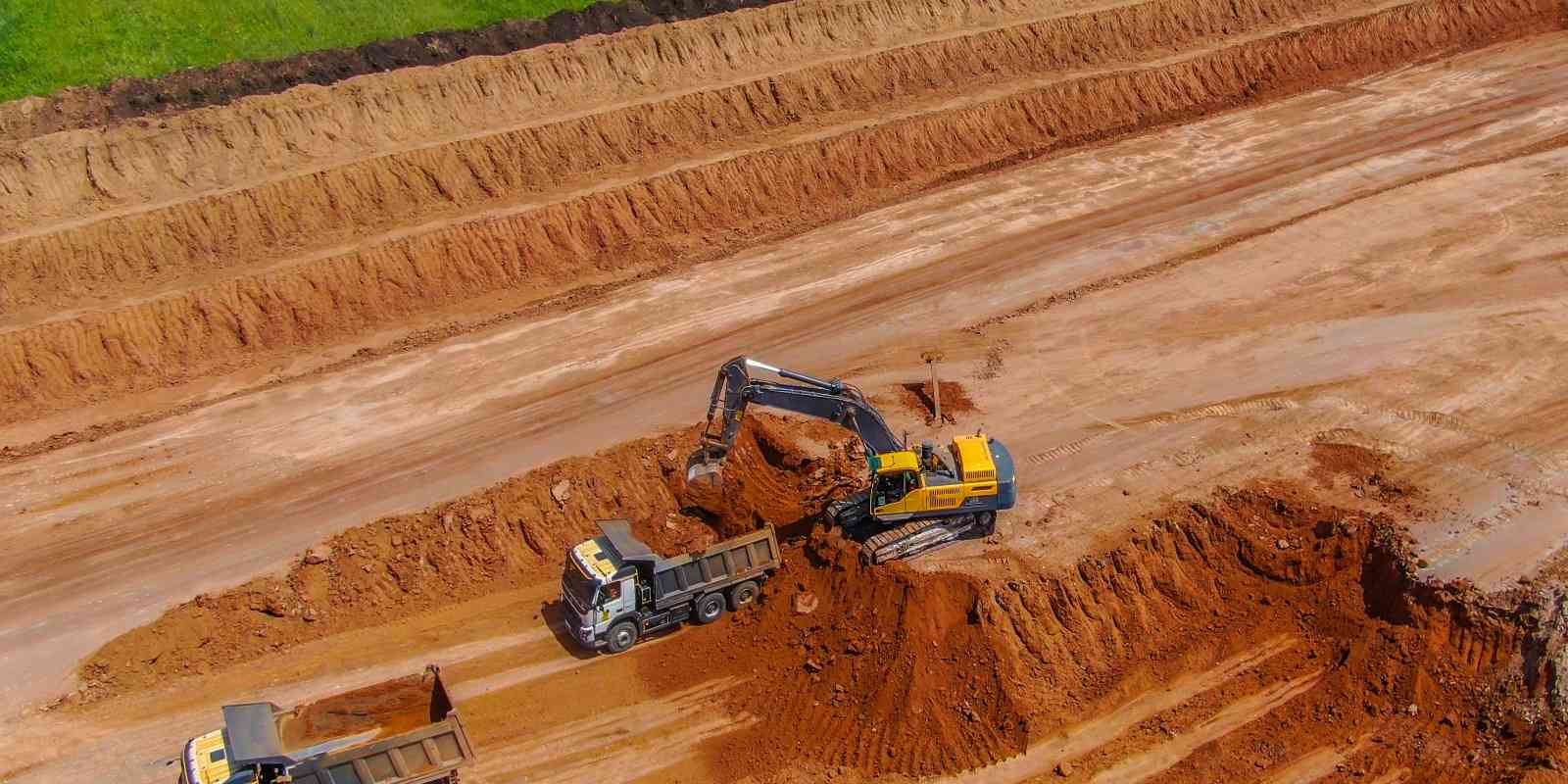
Healthy lawns, thriving gardens, and strong plants all begin with good soil. Whether you are preparing a new flower bed, repairing bare patches in your yard, or improving the ground around your home, choosing the right soil can make a noticeable difference. Many homeowners search for topsoil services near me when they need help finding suitable soil for landscaping and outdoor improvement projects. However, understanding soil quality, delivery needs, and proper preparation can help you make a better decision. The right topsoil provides plants with essential nutrients, supports healthy root growth, and improves the condition of your yard. Before ordering soil, it is worth learning what makes a quality product and how to use it effectively.
What Is Topsoil and Why Does It Matter?
Topsoil is the upper layer of soil that contains organic matter, minerals, microorganisms, and nutrients that support plant growth. Its quality can vary depending on its source, composition, and how it has been handled. Good topsoil generally provides a suitable balance of drainage, moisture retention, and nutrients. These qualities make it useful for lawn installation, garden beds, planting areas, and general landscaping work. Poor soil, on the other hand, may contain excessive clay, stones, unwanted debris, or very little organic material. Before starting a project, consider the existing condition of your yard and the plants you want to grow. Choosing soil that matches your needs can help prevent drainage problems, support stronger roots, and reduce the amount of additional work required later.
When Should You Add Fresh Soil to Your Property?
Several situations can make adding topsoil a practical choice. If your lawn has uneven areas, thin grass, or exposed ground, fresh soil may help prepare the surface for new grass seed or sod. Gardeners often add topsoil when creating raised beds or improving planting areas with depleted soil. New construction projects may also leave yards with compacted ground, construction debris, or soil that is unsuitable for growing plants. In these cases, proper preparation is important before adding new material. Homeowners researching topsoil services near me should consider the size of the project, the condition of the existing ground, and the amount of soil required. Addressing these details before delivery can help prevent unnecessary expenses and make it easier to spread the soil evenly across the intended area.
How to Recognize Quality Topsoil
Not all topsoil offers the same benefits, so it helps to examine its appearance and composition before making a purchase. Quality soil often has a natural, earthy smell and a loose texture that allows roots to grow. It should not contain excessive trash, large rocks, or obvious construction waste. Color can offer a clue about organic content, but darker soil is not automatically better. Texture matters because sandy soil drains quickly, while clay-heavy soil may hold too much water. A balanced mixture can provide suitable conditions for many common landscaping projects. Ask the supplier where the soil comes from and whether it has been screened. Screened topsoil generally contains fewer large particles and is easier to spread. Selecting the right material helps create a better foundation for grass, flowers, shrubs, and other plants.
Understanding Soil Delivery and Project Planning
Planning a soil delivery begins with estimating how much material your project requires. Measure the length and width of the area, then decide how deep the soil layer should be. Multiply these measurements to calculate the volume needed. For example, a small garden bed may require only a limited quantity, while an entire lawn renovation could need several cubic yards. It is also important to consider where the delivery vehicle can unload the material. Narrow driveways, low branches, soft ground, and limited access can affect placement. People comparing topsoil services near me should ask about minimum order sizes, delivery charges, available quantities, and unloading arrangements. Confirming these details ahead of time helps avoid delays and makes it easier to coordinate soil delivery with landscaping, planting, or lawn installation.
Preparing Your Yard Before Spreading Topsoil
Good preparation helps new soil perform as intended. Begin by removing weeds, unwanted vegetation, stones, and other debris from the area. If the ground is heavily compacted, loosening the upper layer may improve the connection between the existing soil and the new material. Avoid covering drainage openings, utility access points, or the lower portions of siding and exterior walls. When working near a house, maintain a suitable grade that directs water away from the foundation. For lawns, spread soil in a reasonably even layer without burying healthy grass under excessive material. Garden beds may need different preparation depending on the plants being grown. After spreading the soil, rake it level and check for low spots. Taking these steps creates a more consistent surface and helps prevent problems that could affect future plant growth.
Common Mistakes to Avoid During Landscaping
One common mistake is ordering too much or too little soil because the project area was not measured carefully. Another is assuming that any soil will work for every type of plant. Some plants prefer well-drained ground, while others grow better in soil that retains more moisture. Adding a thick layer of unsuitable soil over compacted ground may also fail to solve existing drainage problems. Homeowners sometimes spread soil too close to foundations, fences, or tree trunks, creating additional maintenance concerns. Choosing material based only on price can lead to disappointment if the soil contains unwanted debris or has an unsuitable texture. Do It Now Service LLC can be considered when exploring local property improvement assistance and planning outdoor work. A clear project plan, careful soil selection, and proper preparation can help you avoid common setbacks and achieve better results.
Getting Help With Your Topsoil Project
The right service depends on what you want to accomplish, how much soil you need, and whether your project requires delivery, spreading, or additional landscaping work. Before choosing a provider, explain the purpose of the soil, the dimensions of the area, and any access limitations. Ask what material is available and whether the quantity can be adjusted to suit your project. It is also helpful to confirm the expected delivery schedule and any preparation you must complete beforehand. If you are comparing topsoil services near me, review the details of each available service instead of making a decision based solely on a low advertised price. Do It Now Service LLC is a business name to consider when researching options for property improvement needs. Taking time to compare your requirements with the services offered can help you make a practical choice for your lawn or garden.
Frequently Asked Questions
Q1. What is topsoil commonly used for?
Ans. Topsoil is commonly used for lawn preparation, garden beds, filling shallow low spots, planting areas, and improving the growing surface for grass and other plants.
Q2. How much topsoil do I need for my yard?
Ans. Measure the length and width of the area and multiply them by the desired soil depth. Convert the result into cubic yards to estimate the quantity needed.
Q3. Is screened topsoil better for gardening?
Ans. Screened topsoil can be easier to spread because it contains fewer large stones and other particles. Its suitability still depends on its nutrient content and texture.
Q4. When is the best time to add topsoil?
Ans. Spring and fall are often suitable for many lawn and garden projects because temperatures can be moderate. The best timing depends on local weather and the plants involved.
Q5. Should I remove existing grass before adding topsoil?
Ans. It depends on the goal. Minor lawn leveling may require only a thin layer, while major renovations usually need more extensive preparation to establish healthy new growth.
Q6. What should I ask before arranging soil delivery?
Ans. Ask about soil composition, screening, order quantities, delivery charges, unloading access, and scheduling. These details help you plan the project and understand the total cost.
Conclusion
Healthy outdoor spaces start with careful planning and the right growing conditions. Understanding soil quality, measuring your project, preparing the ground, and arranging suitable delivery can make landscaping work easier and more productive. Whether you are repairing a lawn, building a garden bed, or preparing a larger outdoor area, choosing the correct soil helps establish a strong foundation for future growth. Do It Now Service LLC can be included in your research as you explore property improvement options and determine which services fit your needs. Before moving forward, confirm the materials available, the scope of the work, and the details of any delivery arrangement. A little preparation before the project begins can help you make informed decisions and create an outdoor space that is easier to maintain over time.