
Tooth Crown Dubai: How Is a Crown Designed to Restore a Tooth’s Natural Shape?
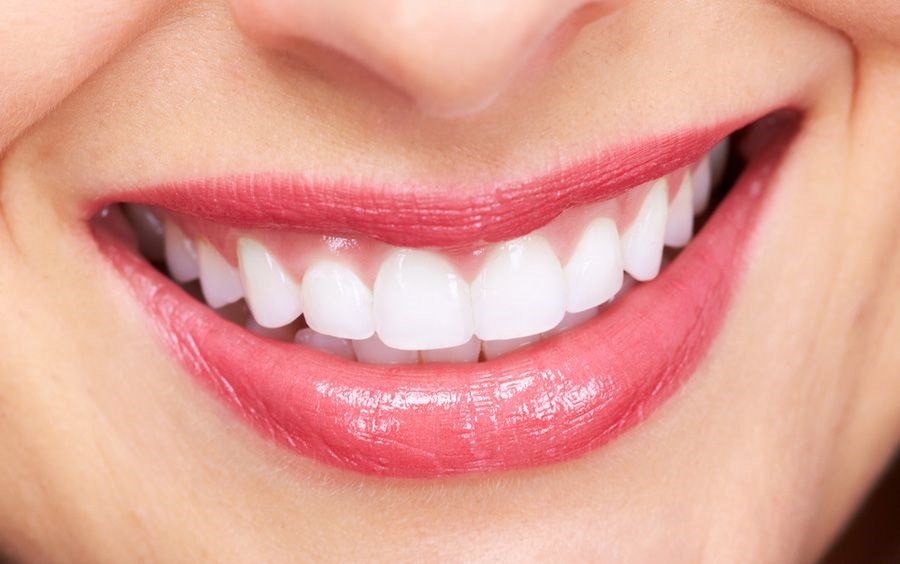
A damaged or weakened tooth can affect more than the appearance of a smile. It may also change the way a person bites, chews, and speaks. A dental crown is designed to cover the visible portion of a tooth, helping restore its shape, size, strength, and overall function. When carefully planned, a crown can blend with the surrounding teeth and maintain the natural balance of the smile.
Choosing a crown involves more than selecting a material or matching a shade. The dentist must consider the tooth’s original anatomy, the condition of the remaining structure, the patient’s bite, and the appearance of neighbouring teeth. Each detail contributes to a restoration that feels comfortable and looks natural.
For patients considering Tooth Crown Dubai treatment, understanding how a crown is designed can help clarify what happens during the assessment, preparation, and fitting stages. The aim is to create a restoration that suits the individual tooth while supporting everyday oral function.
Why Is the Natural Shape of a Tooth Important?
Every tooth has a distinctive shape that serves a specific purpose. Front teeth help bite into food and contribute to speech, while premolars and molars are designed to grip, crush, and grind food. Their surfaces contain curves, ridges, and grooves that guide chewing movements.
When a tooth becomes damaged through decay, wear, a fracture, or previous dental treatment, its natural contours may be lost. This can affect how it meets opposing teeth and how it relates to the surrounding teeth.
A well-designed crown aims to recreate these important features. Its shape should allow the tooth to perform its usual function without placing unnecessary pressure on neighbouring or opposing teeth. At the same time, the restoration should fit naturally within the dental arch.
Restoring shape is therefore both a functional and an aesthetic process. A crown that looks attractive but does not fit the bite properly may feel uncomfortable. Similarly, a crown that functions well but has an unsuitable size or contour may look out of place.
How Does a Dentist Assess a Tooth Before Designing a Crown?
Crown design begins with a detailed dental examination. Before deciding on the final shape, the dentist evaluates the condition of the tooth and the surrounding oral structures.
The assessment may include examining the remaining enamel and dentine, checking for decay, reviewing existing fillings, and assessing the health of the gums. Dental X-rays may be recommended when additional information about the roots, surrounding bone, or internal tooth structure is needed.
The dentist also considers how much natural tooth structure remains. A tooth with substantial damage may require a different approach from one that has a relatively intact structure but needs protection after root canal treatment.
The patient’s bite is another important consideration. The dentist checks how the upper and lower teeth meet during normal closure and movement. This helps determine the appropriate crown height, contact points, and surface contours.
By combining clinical findings with the patient’s needs, the dentist can plan a crown that is appropriate for the specific tooth rather than relying on a standard shape.
How Is the Original Tooth Shape Recreated?
Natural teeth are rarely perfectly flat or symmetrical. Their surfaces contain subtle anatomical details that influence appearance and function. Recreating these features requires careful planning.
Rebuilding the Tooth’s Outer Contours
The outer contour determines the overall shape and profile of the crown. The dentist considers the width, height, curvature, and relationship between the crown and the gumline.
For a front tooth, the outline may need to complement the shape of adjacent teeth and preserve a balanced smile. For a back tooth, the contour must support chewing while allowing the surrounding gum tissue to remain healthy.
An overly bulky crown may feel unnatural or make cleaning more difficult. A crown that is too narrow or short may not provide the intended shape or contact with neighbouring teeth. The goal is to create contours that suit the tooth’s location and the patient’s dental anatomy.
Recreating Ridges, Cusps, and Grooves
The chewing surfaces of premolars and molars contain raised areas called cusps and smaller grooves that help break down food. These features also influence how the upper and lower teeth interact.
During crown design, the dentist considers the position and height of these structures. Their arrangement should support efficient chewing without creating unwanted interference when the patient closes or moves the jaw.
For front teeth, attention may focus more on the biting edge, surface curvature, and the way light reflects from the tooth. These details help the restoration resemble a natural tooth rather than a uniform artificial covering.
How Does the Dentist Ensure the Crown Fits the Bite?
A crown must work in harmony with the rest of the teeth. Even a small difference in height can change how the bite feels, particularly when a back tooth is involved.
The dentist evaluates the available space and considers the position of the opposing tooth before establishing the crown’s final dimensions. During the fitting appointment, the restoration is checked to determine whether the patient can close the teeth comfortably.
Bite-checking materials may be used to identify areas where the crown contacts the opposing teeth. If a contact is too high, the dentist can make appropriate adjustments. The crown is then checked again to ensure that the biting surface is suitable.
The dentist may also assess how the teeth meet during side-to-side or forward jaw movements. These movements can influence the final contour, particularly for teeth that play an important role in guiding the bite.
Careful adjustment helps the crown feel like part of the existing dentition. Patients should tell their dentist if the restoration feels unusually high, uneven, or uncomfortable after fitting.
How Are Crown Materials Selected?
The material used for a crown affects its appearance, strength, and ability to reproduce natural tooth characteristics. The choice depends on the tooth’s location, the amount of chewing pressure it experiences, the available space, and the patient’s preferences.
Porcelain and Ceramic Crowns
All-ceramic and porcelain-based restorations can be designed to resemble the colour and translucency of natural teeth. They may be suitable for front teeth where appearance is a major consideration, although specific ceramic materials can also be used for back teeth.
Their final appearance depends on the selected material, the underlying tooth colour, the thickness of the restoration, and the laboratory’s design.
Zirconia Crowns
Zirconia is a ceramic material valued for its strength. Depending on the type selected and the clinical situation, it may be suitable for teeth exposed to considerable chewing forces.
Modern zirconia options vary in translucency and appearance. The dentist must balance aesthetic requirements with functional demands when choosing a suitable design.
Porcelain-Fused-to-Metal Crowns
These crowns combine a metal framework with a porcelain outer layer. They can provide structural support and a tooth-coloured appearance. Their suitability depends on the tooth’s position, aesthetic requirements, and the amount of space available.
The dentist explains the available options and helps select a material that suits the individual case. The most appropriate crown is not necessarily the same for every patient.
How Is the Crown’s Colour Matched to Natural Teeth?
Colour matching is an important part of designing a natural-looking crown, particularly when restoring a visible front tooth. Natural teeth contain variations in shade and translucency rather than one uniform colour.
The dentist may use a shade guide to compare the existing teeth with available restorative shades. Factors such as lighting, surrounding tooth colour, and the natural appearance of the enamel can influence the assessment.
The crown’s colour also needs to suit the patient’s overall smile. Matching only one part of the tooth may produce a result that looks different from the adjacent teeth, even when the selected shade appears close.
For more detailed aesthetic restorations, the dentist and dental laboratory may consider differences between the cervical area near the gumline, the middle portion of the tooth, and the biting edge. These subtle variations can help the finished crown look more lifelike.
Patients should discuss their expectations before the crown is finalised. Where possible, the appearance can be reviewed during the try-in stage so that any necessary refinements can be considered before permanent placement.
What Role Does Digital Technology Play in Crown Design?
Digital dentistry can help improve the precision of crown planning and fabrication. Depending on the clinic and the treatment, an intraoral scanner may be used to create a digital model of the teeth.
The scan captures the shape of the prepared tooth and its relationship with the surrounding teeth. This information can be used to design a crown with appropriate dimensions and contact points.
Computer-aided design and manufacturing systems may then help produce the restoration from a selected dental material. Digital workflows can support consistent measurements and efficient communication between the dentist and dental laboratory.
Traditional impressions and laboratory techniques remain suitable options in many situations. The method used depends on the available technology, the complexity of the case, and the dentist’s clinical judgement.
Technology supports the process, but it does not replace the need for a careful examination, accurate preparation, and clinical checks. The dentist remains responsible for ensuring that the finished crown fits the tooth and functions appropriately.
What Happens During Crown Preparation and Fitting?
Once the treatment plan has been established, the dentist prepares the tooth to create sufficient space for the crown. The amount of tooth structure removed depends on the tooth’s condition and the material selected.
If necessary, damaged areas are treated and the remaining structure is shaped to support the restoration. The dentist then records the prepared tooth using a digital scan or a traditional impression.
A temporary crown may be provided while the final restoration is being made, depending on the treatment method and clinical circumstances.
When the final crown is ready, the dentist checks its fit, margins, colour, shape, and bite. The restoration should sit securely without leaving gaps at the tooth’s edges or interfering with normal jaw movement.
After the necessary checks and adjustments, the crown is secured using an appropriate dental cement or bonding technique. The dentist provides instructions on cleaning around the crown and maintaining regular dental appointments.
How Can Patients Maintain the Shape and Function of a Dental Crown?
A well-designed crown still requires everyday care. Brushing twice daily with fluoride toothpaste and cleaning between the teeth helps maintain the surrounding gum tissue and remaining natural tooth structure.
Patients should avoid using their teeth to open packaging or bite hard non-food objects. Those who grind or clench their teeth may benefit from discussing protective options with their dentist.
Regular dental examinations allow the dentist to check the crown’s margins, the surrounding gums, and the condition of the supporting tooth. Professional cleaning and early attention to changes can help maintain the restoration.
A crown does not prevent every possible dental problem, and the natural tooth beneath it remains important. Good oral hygiene and appropriate follow-up help support the long-term function of both the crown and the surrounding teeth.
Understanding Tooth Crown Cost in Dubai
The cost of crown treatment can vary according to several factors, including the material, the condition of the tooth, the complexity of preparation, and the laboratory or digital process involved.
Additional treatment may be required if the tooth has extensive decay, insufficient remaining structure, or other concerns that need to be addressed before crown placement. The overall treatment plan can therefore differ from one patient to another.
When asking about Tooth Crown Cost in Dubai, patients should clarify what the quoted fee includes. It may be helpful to ask whether the price covers the consultation, imaging where required, temporary restoration, final crown, fitting, and follow-up appointments.
A dental examination is the best way to understand which crown design is appropriate and obtain an individual treatment estimate. Comparing options based on suitability, expected function, and material characteristics can help patients make an informed decision.
Conclusion
Designing a dental crown involves much more than covering a damaged tooth. The dentist must recreate its natural contours, consider its role in chewing, establish a comfortable bite, and select a material that suits the tooth’s position and functional requirements.
Colour matching, accurate measurements, careful fitting, and attention to the surrounding teeth all contribute to a natural-looking restoration. Digital tools may support this process, but a thorough clinical assessment and final bite checks remain essential.
For anyone considering Tooth Crown Dubai treatment, understanding these steps can make it easier to discuss available options with a dentist. A personalised approach helps ensure that the crown is designed around the tooth’s individual needs, with the aim of restoring its shape, supporting everyday function, and maintaining a balanced smile.
Frequently Asked Questions
1. What is the main purpose of a dental crown?
A dental crown covers the visible portion of a tooth to restore its shape, size, and function. It may be recommended when a tooth is weakened, extensively damaged, heavily restored, or requires protection after certain dental procedures.
2. How does a dentist design a crown to look natural?
The dentist considers the tooth’s original shape, neighbouring teeth, colour, surface contours, and position in the dental arch. These details help create a crown that blends with the smile while supporting normal chewing.
3. Which crown material looks most like a natural tooth?
Ceramic and porcelain-based materials can provide a natural appearance, while some zirconia options also offer attractive aesthetic results. The most suitable choice depends on the tooth’s location, functional demands, and the patient’s clinical needs.
4. Does a dental crown change the way I bite?
A properly fitted crown should work comfortably with the existing bite. The dentist checks the contact points and makes adjustments when necessary. If the bite feels uneven after placement, the patient should arrange a review.
5. How long does it take to get a dental crown?
The timeline depends on the treatment plan, the fabrication method, and whether the crown is produced in a dental laboratory or through an available same-day workflow. Some cases require more than one appointment.
6. Is a crown designed differently for front and back teeth?
Yes. Front crowns often require particular attention to colour, translucency, and the visible outline of the tooth. Back crowns must also accommodate chewing forces and reproduce the appropriate cusps and grooves.
7. What affects Tooth Crown Cost in Dubai?
The material, tooth condition, preparation requirements, laboratory work, and any additional dental treatment can influence the overall cost. An examination helps the dentist recommend an appropriate option and provide an individual estimate.
8. Can a dental crown be adjusted after it is fitted?
Minor adjustments to the bite or certain surface areas may be possible after fitting. The dentist will assess the crown and determine whether adjustment is appropriate or whether another solution is needed.
9. How should I care for my dental crown?
Brush twice daily with fluoride toothpaste, clean between your teeth, avoid biting hard objects, and attend routine dental check-ups. These habits help maintain the crown and the natural tooth underneath it.
10. How do I know whether I need a dental crown?
A dentist can assess the extent of tooth damage, the amount of remaining structure, and the tooth’s function to determine whether a crown is appropriate. Depending on the condition, a filling, an onlay, or another restoration may also be considered.