
The Essential Role of the Pigtail Dental Explorer in Modern Dentistry
Grey Medical: Welcome to Grey Medical, your trusted partner in premium-quality surgical instruments. With decades of experience in the medical industry, we pride ourselves on delivering precision-crafted tools designed to meet the rigorous demands of surgeons, doctors, and medical professionals worldwide. In pigtail dental explorer diagnostics, precision and quality are paramount, which is why having the right clinical instruments makes all the difference in providing accurate evaluations and exceptional patient care.
Understanding the Design and Diagnostic Value of the pigtail dental explorer
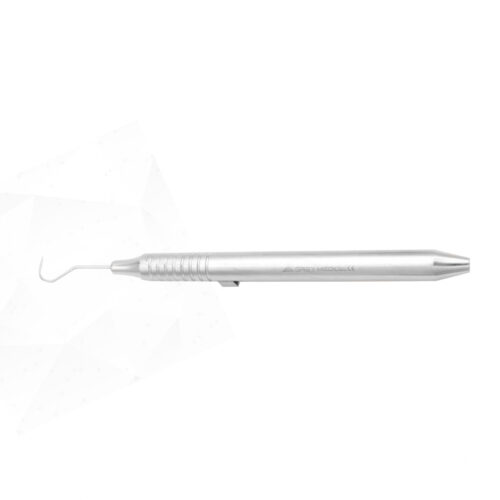
The pigtail dental explorer is a fundamental diagnostic instrument recognized for its unique curved working ends that resemble a pig’s tail. Designed with double-ended, counter-angled tips, this instrument allows practitioners to easily navigate complex oral anatomy. Dental professionals rely heavily on the pigtail dental explorer to tactilely detect early-stage caries, enamel defects, subgingival calculus, and irregular margins around existing dental restorations. Its balanced tactile feedback allows clinicians to perceive subtle surface variations that are often invisible to the naked eye.
Primary Functions and Clinical Applications in Patient Care
During routine examinations, the pigtail dental explorer serves as an indispensable tool for probing pits, fissures, and interproximal areas. The sharp, finely pointed tips facilitate precise tactile sensitivity, allowing dentists to evaluate the hardness of dentin and toothed forceps enamel without causing unnecessary trauma to adjacent soft tissues. By utilizing high-grade stainless steel construction, these explorers retain their sharp, accurate tips over extended periods, ensuring consistent diagnostic performance during everyday clinical routines.
Comparative Benefits of Curved Explorers Over Straight Instruments
Compared to traditional straight or single-angled explorers, the specialized curvature of the pigtail dental explorer offers superior accessibility in hard-to-reach posterior regions. The dual counter-curved design reduces wrist strain for practitioners by minimizing the hand rotation required to maneuver around molars and premolars. This ergonomic structure enhances clinical efficiency while maximizing patient comfort, as the curved tips glide smoothly over tooth contours without digging into delicate gingival tissue.
Ergonomics and Handpiece Handling for Precision Diagnostics
Proper balance and handle design play a crucial role in instrument tactile sensitivity. A high-performance pigtail dental explorer features an ergonomically designed handle that provides a secure, non-slip grip, allowing the clinician to maintain complete control during delicate diagnostic procedures. Light hand pressure combined with the natural flexibility of the instrument shaft ensures that minute textural changes on the tooth surface are directly transferred to the dentist’s hand for accurate assessment.
Sterilization Practices and Maintenance Guidelines
Maintaining the integrity and sharpness of dental instruments is critical for patient safety and diagnostic longevity. Quality stainless steel explorers are built to endure repeated autoclave sterilization cycles without corroding or losing structural integrity. Routine inspection of the curved tips ensures that the instrument remains free of bends, burrs, or dullness, preserving its diagnostic accuracy and guaranteeing optimal hygiene standards for every clinical application.
Conclusion
Choosing high-precision diagnostic instruments is essential for delivering accurate examinations and reliable patient outcomes. The pigtail dental explorer remains an irreplaceable standard in dental practices worldwide due to its unmatched versatility, ergonomic reach, and tactile precision. Investing in top-tier dental tools ensures that healthcare professionals can maintain the highest standards of diagnostic accuracy, safety, and patient care for years to come.