
WordPress SEO Service: Fix Plugin Gaps in the US
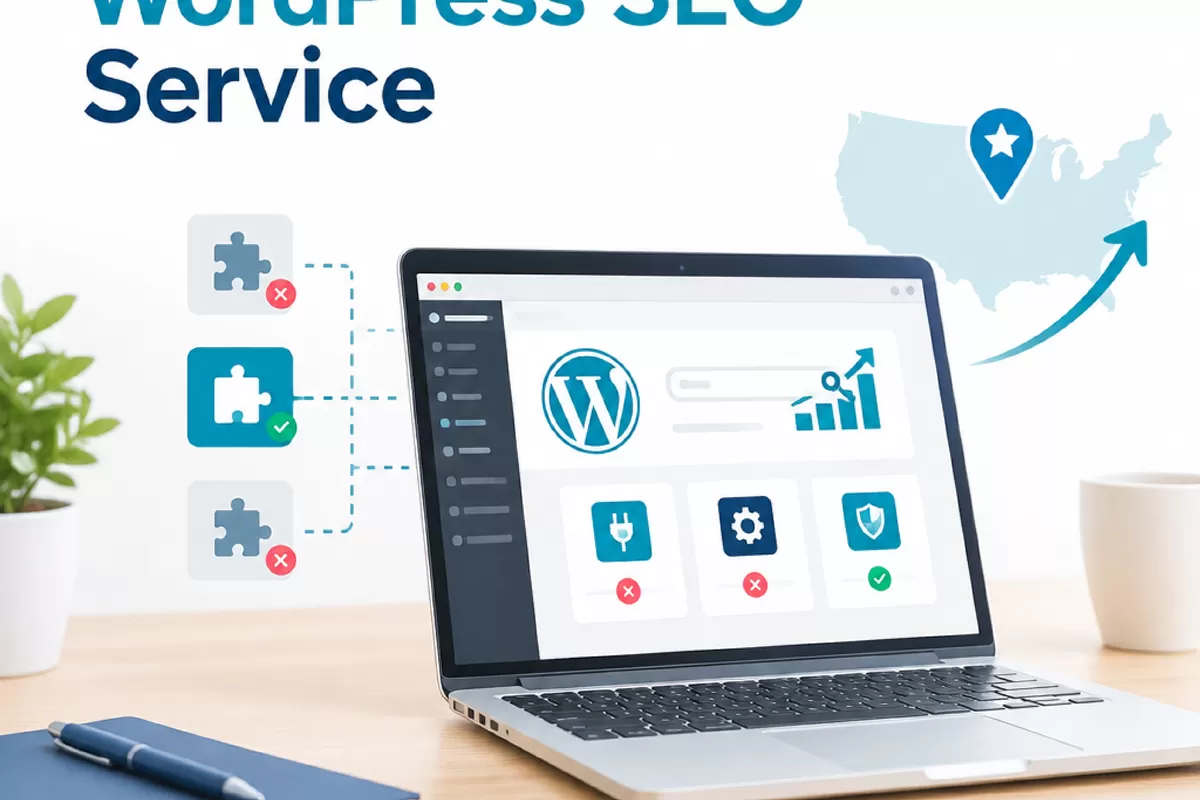 A WordPress SEO plugin can help you edit titles, add a meta description, and check basic on-page details. But those settings do not automatically fix technical problems, build useful content, or bring local customers to your business. For site owners in the United States, the key question is not which plugin to install. It is whether the work your site needs goes beyond routine configuration. A WordPress SEO service can address that broader work, but it should be clear about what it covers and how progress will be evaluated.
What a WordPress SEO plugin can and cannot do
A plugin is a tool, not a complete SEO strategy. It can make certain tasks easier to manage inside WordPress, such as editing page titles and descriptions or reviewing basic page-level signals. That is useful, especially when you publish regularly. It does not tell you, on its own, which pages deserve attention or whether your site’s structure makes sense to visitors and search engines.
Start by checking the basics your plugin is meant to support:
- Do important pages have clear, distinct titles that match their purpose?
- Can a visitor understand what each page offers from its heading and opening text?
- Are relevant images described appropriately, and are unnecessary decorative images kept from adding clutter?
- Does the plugin report a specific issue you can verify, or is it only giving a general score?
- Are you changing settings in just one place, rather than creating conflicting instructions through multiple tools?
These checks can help you catch simple omissions. They should not be mistaken for an audit. A plugin score may flag a missing phrase or suggest a longer title, but it cannot reliably determine whether a page answers the searcher’s question, whether two pages compete for the same topic, or whether a technical issue is preventing useful pages from appearing in search results. Treat automated suggestions as prompts to investigate, not rules to follow blindly.
There is also a risk in trying to improve every score at once. Rewriting titles without understanding the page’s purpose can make them less useful. Adding keywords repeatedly can make copy awkward. The better standard is whether a change improves clarity for the reader and supports a specific business goal.
When a WordPress SEO service makes sense beyond plugin settings
Broader support may be worth considering when the same problem keeps showing up across multiple pages, or when you cannot connect SEO tasks to leads and revenue. A service should begin by understanding the site, its audience, and the business outcomes it needs to support. From there, the work may include technical fixes, content planning, local visibility, ethical link building, and reporting that tracks meaningful activity rather than plugin scores alone.
Technical SEO means addressing the site conditions that affect crawling, indexing, and usability. For example, if an important service page is missing from search results, the next step is to investigate why. Checking its visibility, links from other pages, and relevant technical settings is more useful than simply adding another keyword. A provider should explain what it found, why the issue matters, and how the proposed fix can be checked after implementation.
Content work should have a similarly clear purpose. A useful plan identifies the questions potential customers ask, the pages that should answer them, and how those pages relate to one another. For a WordPress business site, that could mean clarifying a service page before publishing several similar blog posts. The goal is not to produce more pages by default. It is to make the site easier to understand and more helpful to the people it serves.
If you are comparing providers, ask how they separate routine plugin setup from ongoing SEO work, what they will review first, and what their reporting will show. SEO wordpres service provides an example of a WordPress-focused service scope covering SEO, AEO, GEO, technical fixes, local visibility, content, ethical link building, and reporting tied to leads and revenue.
Look for a process you can follow, not a promise of a particular ranking. A responsible provider should be able to describe what is included, what depends on your team, and how results will be assessed. Search performance can be affected by factors beyond a provider’s control, so guarantees deserve skepticism.
Local SEO in the United States needs more than a plugin score
For a business serving customers in a defined US location, local visibility is a separate part of the work. A WordPress plugin cannot manage your Google Business Profile or make your business appear in the map pack by itself. Check that the profile represents the business accurately, and that key details such as its name, address, and phone number (NAP) are consistent across your site and other business listings.
Local pages should be useful, not just place-name variations of the same template. If you serve several cities or neighborhoods, each page should explain the service available there and provide details that help a local customer decide what to do next. Avoid publishing near-duplicate pages that swap only the city name. Those pages often add little value and can make it harder for visitors to find clear information.
Reviews also help people judge a local business. Make it easy for customers to leave honest feedback, respond professionally, and avoid offering incentives in exchange for positive reviews. Track whether local pages and profile activity are helping people take relevant actions, such as calling or submitting an inquiry. Search visibility is useful, but it is not the same as qualified leads.
Before hiring a provider, write down the business problem you want to solve and gather a few examples: pages that are not attracting the right visitors, locations where your service is available, or inquiries that are difficult to trace back to search. Ask for a proposed first step and how the team would verify the work. That conversation can reveal whether you need help with a narrow technical issue or a broader WordPress SEO service. Keep the plugin for the tasks it handles well, and seek specialist support when the unanswered questions involve the site, content, local presence, or business results as a whole.