
Anti-Ageing Peptide Therapy Dubai: Exploring Modern Cellular Support
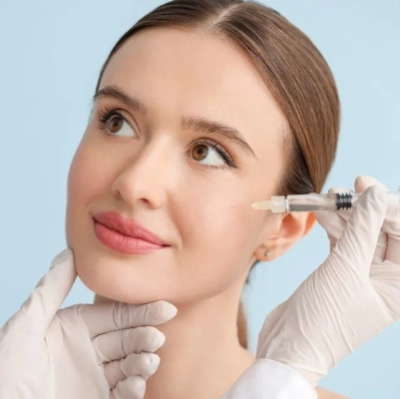
Ageing is a natural biological process associated with changes in cellular activity, tissue function, skin appearance, and overall physiological resilience. As interest in preventive wellness and healthy ageing continues to grow, peptide-based approaches have attracted attention for their potential roles in specific biological processes. Exploring peptides dubai can help individuals understand the science behind peptide-based interventions, their possible applications, and the importance of professional medical guidance.
At Grand European Clinic, individuals can explore information about peptide therapy and its potential role within an individualized wellness approach. Understanding the available evidence, treatment limitations, and safety considerations is essential before considering any intervention intended to support healthy ageing.
Understanding Peptides and Their Biological Functions
Peptides are short chains of amino acids that participate in numerous biological processes. Depending on their structure, some peptides act as signalling molecules, helping regulate communication between cells and influencing processes such as hormone release, immune activity, and tissue function.
The effects of a peptide depend on its specific structure, biological target, dose, route of administration, and the individual’s health status. Not all peptides have the same function, and evidence supporting one peptide cannot automatically be applied to another.
In the context of ageing, researchers are investigating how selected signalling pathways relate to cellular maintenance, inflammation, metabolism, and tissue repair. However, laboratory findings do not necessarily establish that a peptide treatment can slow human ageing or extend lifespan.
Exploring Peptide Therapy in Dubai
Interest in peptide therapy dubai reflects broader attention to personalized wellness and emerging approaches to health management. Peptide-based treatments vary considerably, and their suitability depends on the specific substance, its intended use, and the available clinical evidence.
Some peptide medicines have established medical applications, while others remain experimental or lack sufficient evidence for routine clinical use. Products marketed for anti-ageing or performance enhancement should therefore be assessed carefully rather than assumed to be effective or safe.
At Grand European Clinic, a discussion about peptide-based options should consider an individual’s medical history, current medications, health objectives, and the evidence supporting the proposed intervention. Appropriate medical supervision is particularly important when a treatment affects hormonal or metabolic pathways.
Anti-Ageing Peptide Therapy and Cellular Support
anti-ageing peptide therapy dubai is a term associated with peptide-based approaches promoted for supporting aspects of healthy ageing. The underlying scientific interest involves understanding how biological signalling influences cellular function, tissue maintenance, and physiological responses over time.
Ageing involves multiple interconnected processes, including changes in gene regulation, cellular repair mechanisms, mitochondrial function, and immune responses. These processes cannot be addressed through a single intervention, and no peptide treatment has been established as a universal solution for reversing biological ageing.
Research into selected peptides may provide insights into particular biological pathways. Nevertheless, claims regarding improved longevity, restored cellular function, or comprehensive rejuvenation require strong clinical evidence from well-designed human studies.
Potential Areas of Scientific Research
Peptide research spans several areas of medicine and biology. Understanding these areas can help distinguish established medical uses from emerging research and unsupported marketing claims.
Cellular Signalling
Certain peptides interact with receptors or other biological targets that influence cellular communication. Researchers study these interactions to understand how specific pathways contribute to normal physiological function and disease.
Tissue Maintenance and Repair
Some peptides are investigated for their possible effects on processes associated with tissue repair and regeneration. Findings from laboratory studies or animal research, however, may not translate into meaningful clinical benefits in humans.
Metabolic Regulation
Peptide-based medicines can influence metabolic processes, depending on their mechanism of action. Some approved medicines target specific metabolic conditions, but their use must follow established indications and prescribing guidance rather than general anti-ageing claims.
Hormonal Pathways
Certain peptides influence hormone-related signalling. Because hormonal systems affect multiple organs and physiological processes, treatments involving these pathways require careful evaluation and appropriate monitoring.
The Importance of Personalized Medical Assessment
A personalized assessment helps determine whether a proposed treatment is appropriate for an individual’s circumstances. Relevant considerations may include medical history, existing health conditions, medications, allergies, and the person’s reasons for seeking treatment.
A healthcare professional can explain whether the proposed peptide has an established medical indication, whether suitable clinical evidence exists, and whether other approaches may offer a more appropriate benefit-risk balance.
Patients should also understand the difference between a regulated medicine and a product sold for research purposes. Products that lack reliable manufacturing standards or verified ingredients may present additional safety concerns.
At Grand European Clinic, discussing wellness objectives with an appropriately qualified healthcare professional can help individuals make informed decisions based on their needs and the available evidence.
Safety Considerations and Treatment Limitations
Peptide-based interventions should not be considered risk-free simply because peptides are composed of amino acids. Depending on the substance and how it is administered, potential risks may include injection-site reactions, allergic responses, unwanted physiological effects, interactions with other medicines, or complications associated with contaminated or incorrectly formulated products.
The long-term safety of some experimental peptides remains uncertain. Products promoted online may also lack reliable evidence regarding their purity, dosage, effectiveness, or manufacturing quality.
Individuals should avoid self-prescribing peptide products or using unapproved substances without appropriate medical advice. A qualified professional can help assess potential risks and determine whether a treatment is supported by adequate evidence.
Supporting Healthy Ageing Through Established Wellness Practices
Although research into peptide therapy continues, established health practices remain central to supporting long-term well-being. Regular physical activity, balanced nutrition, sufficient sleep, avoidance of tobacco, and management of cardiovascular risk factors can contribute to healthier ageing.
Preventive healthcare also includes appropriate screening, recommended vaccinations, and timely management of conditions such as high blood pressure, diabetes, and elevated cholesterol. These measures have a stronger established evidence base for many aspects of long-term health than experimental anti-ageing interventions.
Personalized wellness planning can help individuals adopt sustainable habits and identify areas where professional support may be beneficial. Any emerging treatment should be considered alongside these fundamentals rather than as a replacement for them.
Frequently Asked Questions
What is peptide therapy?
Peptide therapy is a broad term for treatments involving peptides that interact with specific biological pathways. Their uses and evidence vary, so each substance must be assessed individually.
Can peptide therapy reverse ageing?
There is currently no established peptide treatment proven to reverse human ageing comprehensively. Some peptides are being investigated for specific biological effects, but further high-quality clinical evidence is needed to establish meaningful anti-ageing benefits.
Is peptide therapy suitable for everyone?
No. Suitability depends on the particular peptide, its approved or established use, the individual’s medical history, and potential risks. Medical assessment is important before treatment.
Are all peptide products approved medicines?
No. Some peptide-based medicines have recognized medical uses, while other products marketed for wellness or anti-ageing may be experimental or unapproved for those purposes. Product quality and regulatory status should be verified.
What should I discuss during a peptide therapy consultation?
Individuals should ask about the treatment’s intended purpose, clinical evidence, regulatory status, possible side effects, interactions, monitoring requirements, and alternatives.
Conclusion
Anti-ageing peptide therapy is an evolving area of scientific interest that explores how selected peptides interact with biological signalling and physiological processes. Although some peptide-based medicines have established clinical applications, claims about reversing ageing or extending lifespan require careful scrutiny and reliable human evidence.
At Grand European Clinic, individuals can explore information about peptide-based approaches while considering the importance of personalized assessment, realistic expectations, and medical supervision. Combining evidence-based healthcare with sustainable wellness practices remains an important foundation for supporting long-term health and healthy ageing.