
Brow Lift Surgery London: How Can Surgical Planning Support Balanced Facial Features?
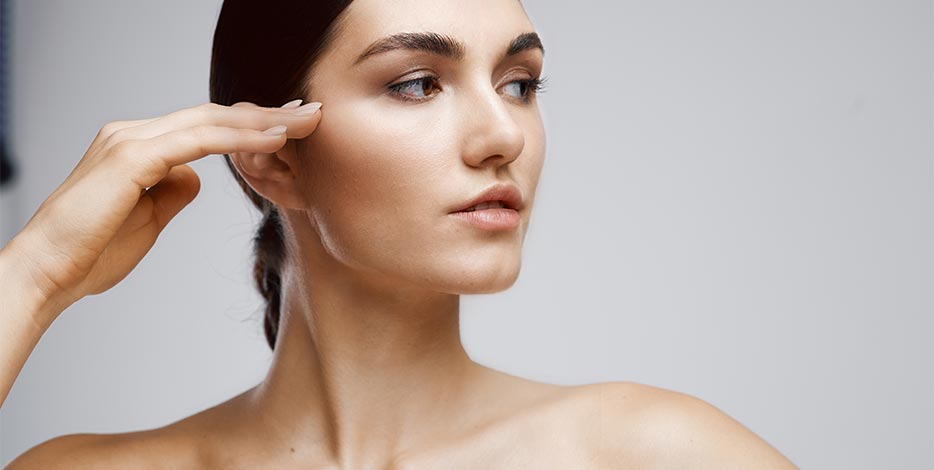
Facial balance is influenced by the relationship between the eyebrows, forehead, eyes and surrounding facial structures. Even subtle differences in eyebrow height or shape can affect how the upper face looks, particularly when the eyebrows sit lower than expected or the forehead appears heavy. For individuals considering aesthetic treatment, understanding these relationships is an important part of deciding whether a brow lift may be appropriate.
Brow Lift Surgery London is an option for people who wish to address the position of their eyebrows and achieve a more harmonious appearance in the upper face. Rather than focusing solely on lifting the brows, surgical planning considers their natural shape, the position of the hairline, forehead proportions and the relationship between the eyebrows and eyelids. These details help guide an approach that respects individual facial characteristics.
At Bodyvie Clinic, the planning process for a brow lift should begin with an assessment of the person’s facial anatomy, aesthetic preferences and expectations. The aim is to determine how changes to the brow position could complement the surrounding features while maintaining a natural-looking result. Careful planning helps ensure that treatment decisions are based on the individual’s needs rather than a standardised idea of how the eyebrows should look.
Understanding Facial Balance Before Brow Lift Surgery
Facial balance does not mean that every feature must be perfectly symmetrical. Natural faces have small differences in eyebrow height, eyelid shape and forehead movement. These variations contribute to individual appearance and should be considered when assessing whether a brow lift could be beneficial.
The eyebrows play an important role in framing the eyes and shaping the expression of the upper face. When they sit lower, the area above the eyes may appear heavier, while a higher brow position can create a more open appearance. However, the ideal position depends on factors such as facial proportions, age-related changes and the person’s natural brow shape.
During an initial consultation, a practitioner assesses the upper face as a whole. This includes considering the distance between the eyebrows and hairline, the position of the outer brow, the shape of the forehead and the appearance of the eyelids. Examining these features together helps establish whether the concerns relate primarily to brow position or whether other factors may contribute to the overall appearance.
This broader assessment is important because a change in one area can influence the appearance of another. A carefully considered surgical plan takes these relationships into account before deciding on the most appropriate approach.
How Brow Position Influences the Appearance of the Eyes
The eyebrows help define the upper boundary of the eye area. Their position can influence whether the eyes appear open, relaxed or heavy, making brow assessment an important part of facial aesthetic planning.
When the eyebrows descend, particularly towards their outer ends, the upper eyelid area may appear more covered. Some individuals also notice that the distance between the eyebrow and upper eyelid seems reduced. These changes can develop gradually and may become more noticeable as the skin and underlying tissues change over time.
A brow lift aims to adjust the position of the eyebrows by addressing the tissues responsible for their placement. The extent and direction of the lift depend on the person’s anatomy and treatment objectives. For example, one individual may benefit from a subtle adjustment to the outer brow, while another may require a different approach to address a broader concern across the forehead.
The purpose of the consultation is to understand which aspects of brow position are contributing to the person’s concerns. This helps prevent the treatment plan from focusing on elevation alone when the overall shape and relationship with the eyes are equally important.
Why Individual Facial Proportions Matter in Surgical Planning
Every face has a different combination of proportions. The forehead may be relatively short or long, the eyebrows may naturally sit close to the eyes, and the distance between the brow and hairline can vary considerably. These differences influence how a brow lift should be planned.
A surgical approach that suits one person may not be appropriate for another. Raising the eyebrows too far from their natural position could create an appearance that feels unfamiliar, while insufficient adjustment may not address the original concern. The planning process therefore considers the amount of change that would best complement the existing facial structure.
Practitioners may assess the forehead’s height, the contour of the brow, the relationship between the inner and outer eyebrow and the overall shape of the face. The individual’s natural expressions are also relevant because the eyebrows move during everyday activities such as speaking, smiling and concentrating.
These observations help establish realistic treatment goals. Instead of aiming for a particular eyebrow height in isolation, the objective is to consider how the planned change could fit within the person’s existing facial proportions.
Choosing a Brow Lift Technique to Suit the Individual
Different brow lift techniques may be considered depending on the patient’s anatomy, the location of the concern and the desired degree of adjustment. Selecting an appropriate method requires an understanding of how each technique may influence brow position and the surrounding tissues.
An endoscopic brow lift uses small incisions and specialised instruments to adjust the tissues beneath the forehead. Other approaches may involve incisions placed along the hairline or within the forehead region, depending on the technique and the individual’s needs. The suitability of each option depends on factors such as forehead proportions, hairline position and the amount of lifting being considered.
The location of the incisions is an important part of planning. For someone with a higher forehead, the relationship between the hairline and brow position may influence which approach is discussed. For another individual, the priority may be adjusting the outer eyebrow while maintaining the natural contour of the forehead.
During a consultation for Brow Lift Surgery London, patients should have the opportunity to understand the available approaches and how the choice relates to their anatomy. The recommended technique should follow an individual assessment rather than a preference for one method in every case.
Maintaining Natural Eyebrow Shape and Expression
A balanced result depends on more than the height of the eyebrows. Their curve, width, direction and relationship with the eyes all contribute to the appearance of the upper face.
Some people naturally have relatively straight eyebrows, while others have a more pronounced arch. A surgical plan should take these characteristics into account rather than automatically creating a high or sharply curved brow. Preserving the person’s recognisable features is an important consideration when discussing the desired outcome.
Expression is another relevant factor. The eyebrows move in response to facial muscles, and their position changes during different expressions. Planning should therefore consider the face both at rest and during natural movement.
A consultation may include observations of how the forehead and eyebrows move when the person raises their brows, relaxes their face or looks surprised. These movements provide additional information about the existing pattern of expression and help inform discussions about the intended adjustment.
The aim is to develop a plan that complements the individual’s facial character. A natural-looking result is generally one in which the brows remain consistent with the person’s features rather than appearing noticeably elevated or disconnected from the rest of the face.
Considering the Relationship Between a Brow Lift and Eyelid Surgery
Brow position and eyelid appearance are closely connected, which means that concerns about the upper eyelids should be assessed alongside the eyebrows. Skin around the upper eyelids may appear prominent because of changes in the eyelid tissues, a lower brow position or a combination of both.
This distinction matters when deciding which treatment may be appropriate. Upper blepharoplasty focuses on removing or adjusting selected eyelid tissues, whereas a brow lift addresses the position of the eyebrows and related forehead tissues. Although both procedures concern the upper face, they have different purposes.
During assessment, the practitioner considers whether the eyebrow position contributes to the appearance of excess upper eyelid skin. They may also examine the natural eyelid crease, the amount of visible eyelid space and the relationship between the brow and the eye.
In some cases, a brow lift may be discussed on its own. In others, eyelid surgery or a combined approach may be considered, depending on the individual’s anatomy and objectives. The decision should follow a thorough assessment rather than assuming that every concern around the upper eyelids requires the same procedure.
Understanding these distinctions helps patients make more informed decisions and develop realistic expectations about what a particular treatment is intended to achieve.
How Consultation Helps Establish Realistic Treatment Goals
A detailed consultation is central to effective surgical planning. It provides an opportunity to discuss the changes a person would like to see, assess their facial anatomy and determine whether a brow lift is a suitable option.
Patients may be concerned about eyebrows that appear low, differences between the two sides of the face or a heavy-looking forehead. Explaining these concerns clearly helps the practitioner understand which features matter most to the individual.
The consultation may involve reviewing medical history, discussing previous aesthetic procedures and examining the forehead, eyebrows and eyelids. Photographs may also be used as part of the assessment to document the existing features and support planning discussions.
It is equally important to discuss what surgery can reasonably accomplish. A brow lift can change eyebrow position, but it does not necessarily address every concern involving the forehead, eyelids or overall facial appearance. Understanding the intended scope of treatment helps establish appropriate expectations.
Patients should feel comfortable asking questions about the recommended technique, the anticipated changes and the factors that influence the final outcome. Clear communication allows the treatment plan to reflect both clinical assessment and the person’s individual preferences.
What Influences the Final Surgical Plan?
Although the general purpose of a brow lift is to adjust eyebrow position, several individual factors influence the final plan. These include the natural shape of the eyebrows, forehead proportions, hairline position, skin characteristics and the degree of change being considered.
Age-related changes may also be relevant. Some people seek assessment because their brows have gradually descended, while others have naturally low-set eyebrows that have always influenced the appearance of their upper face. Understanding the underlying concern helps distinguish between natural anatomy and changes that have developed over time.
The patient’s expectations are another important consideration. Some individuals prefer a subtle adjustment that preserves their existing appearance, while others may be concerned about a more noticeable difference in brow position. These preferences should be discussed alongside the clinical findings.
A practitioner must consider the available techniques and determine which approach is appropriate for the person’s circumstances. The final plan should be based on an individual evaluation rather than a fixed measurement or a standard eyebrow shape.
By bringing these factors together, surgical planning can support a more considered approach to facial balance and help patients understand why a particular recommendation has been made.
Choosing a Brow Lift Clinic in London
Selecting a suitable provider is an important step for anyone considering a brow lift. Patients should look for a clinic that offers a detailed consultation, explains the available treatment options and provides clear information about the proposed procedure.
A useful consultation should cover the relationship between brow position and surrounding facial features, the reasons for recommending a particular technique and the changes that may reasonably be expected. Patients should also have the opportunity to discuss their priorities and ask questions before making a decision.
When researching a Brow Lift Clinic in London, it is helpful to consider the practitioner’s relevant qualifications, experience in facial aesthetic surgery and approach to individual treatment planning. Clear communication and a personalised assessment are important parts of making an informed choice.
Bodyvie Clinic is a point of reference for individuals researching aesthetic treatments in London. Prospective patients should confirm the services available, the qualifications of the treating practitioner and the details of any proposed procedure during their consultation.
Taking time to understand the process can help patients approach treatment with realistic expectations and a clearer understanding of how surgical planning relates to their facial features.
Conclusion
Brow lift surgery involves more than raising the eyebrows. The relationship between brow position, forehead proportions, eyelid shape and natural facial expression all influence how the upper face looks. Careful planning considers these features together to determine whether surgery may be appropriate and which technique best suits the individual’s anatomy.
For people researching Brow Lift in London, a personalised consultation is an important starting point. It provides an opportunity to discuss aesthetic concerns, explore suitable approaches and establish realistic goals based on individual facial characteristics.
At Bodyvie Clinic, prospective patients can enquire about the available aesthetic services and the consultation process. Understanding the purpose of treatment, the factors that influence surgical decisions and the importance of preserving natural facial characteristics can help individuals make informed choices about brow lift surgery.
Frequently Asked Questions
1. What is the main purpose of brow lift surgery?
Brow lift surgery aims to adjust the position of the eyebrows and improve their relationship with the forehead and eyes. The procedure may be considered by people who feel that their eyebrows sit low or contribute to a heavy appearance in the upper face.
2. How does surgical planning support balanced facial features?
Surgical planning considers eyebrow height, shape, forehead proportions, hairline position and eyelid appearance. Assessing these features together helps determine an appropriate approach that complements the individual’s natural anatomy.
3. Is brow lift surgery suitable for everyone with low eyebrows?
Not necessarily. Naturally low-set eyebrows, changes in forehead tissues and concerns involving the upper eyelids can produce similar appearances. An individual consultation helps determine the underlying concern and whether a brow lift is an appropriate option.
4. Can a brow lift change the shape of the eyebrows?
Yes, brow lift surgery can influence both eyebrow position and contour. The extent of the change depends on the technique used and the person’s anatomy. Planning should take the natural brow shape into account rather than aiming for a standardised arch.
5. What is the difference between a brow lift and upper eyelid surgery?
A brow lift adjusts the position of the eyebrows and related forehead tissues. Upper eyelid surgery focuses on selected tissues around the upper eyelids. The procedures address different concerns, although they may sometimes be considered together following an assessment.
6. Which brow lift technique is best?
There is no single technique that is best for every patient. The choice depends on factors such as brow position, forehead height, hairline location, desired changes and individual anatomy. A qualified practitioner can explain which options may be suitable.
7. How long does a brow lift consultation take?
The duration varies according to the clinic and the complexity of the assessment. A consultation generally includes discussing the patient’s concerns, reviewing relevant medical history, examining the upper face and explaining potential treatment options.
8. How can I choose a brow lift clinic in London?
Look for a clinic that provides a thorough consultation, clear explanations of treatment options and access to appropriately qualified practitioners. Ask about the recommended technique, the expected changes and how the treatment plan will be tailored to your facial features.
9. Can a brow lift make the face look more refreshed?
A brow lift may create a more open appearance around the eyes by changing eyebrow position. The effect varies according to individual anatomy and the treatment performed, so the likely outcome should be discussed during a personalised consultation.
10. What should I discuss before deciding on brow lift surgery?
Discuss your main aesthetic concerns, desired changes, relevant medical history, available techniques and realistic expectations. It is also useful to ask how the proposed procedure may affect eyebrow shape and its relationship with the forehead and eyelids.