
Mole Removal Main Line: A Complete Guide to Safe Treatment
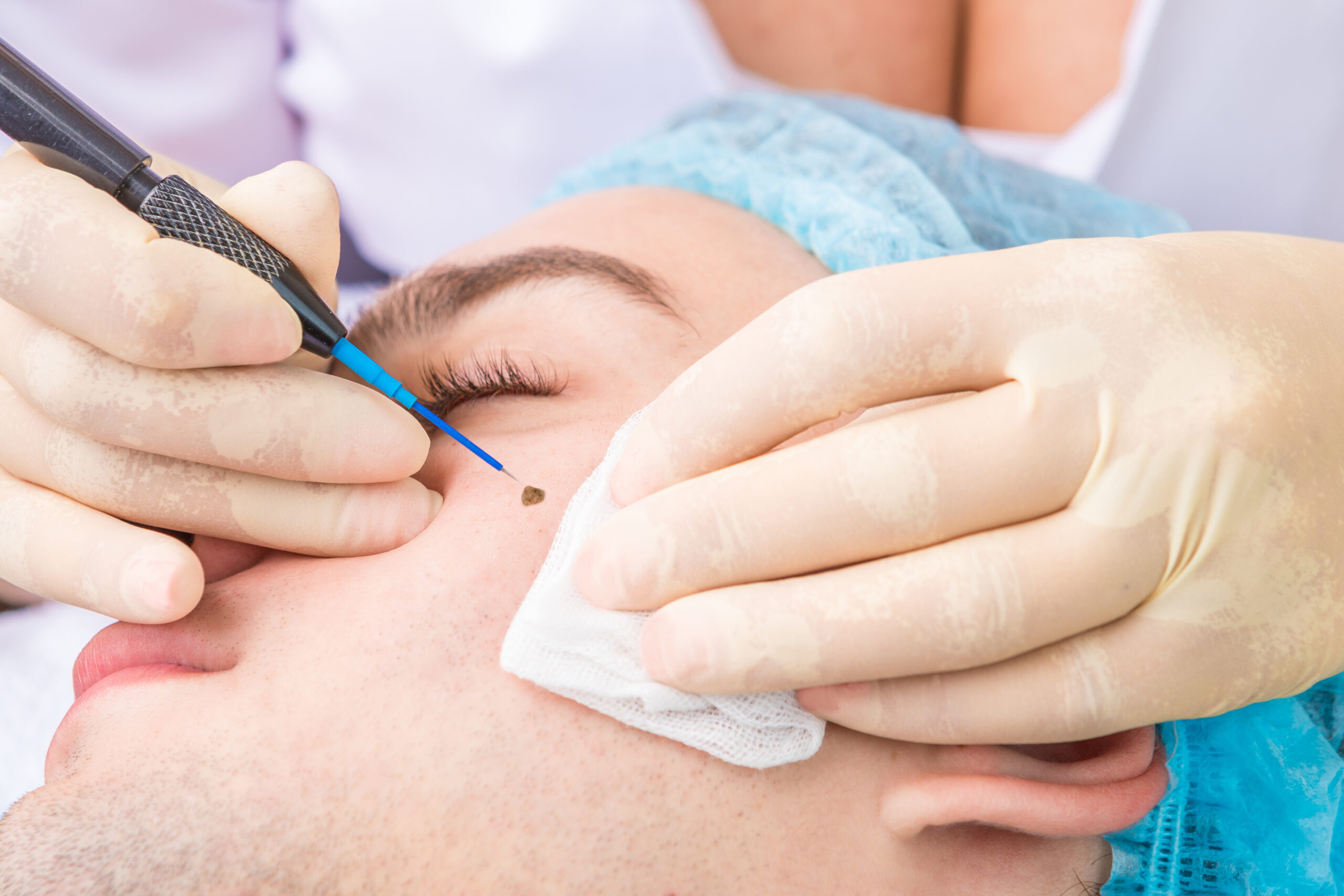
Moles are common skin growths that can appear on different parts of the body, including the face, neck, arms, and other visible areas. While most moles are harmless, a mole that changes in size, shape, color, or texture should be evaluated by a qualified medical professional before any cosmetic treatment is considered.
For people looking for professional treatment options in the Main Line area, mole removal main line may be considered after an appropriate medical evaluation. A dermatologist can examine the mole, determine whether it appears benign, recommend a suitable removal method, and decide whether the tissue should be examined under a microscope following removal.
What Is a Mole?
A mole, medically known as a nevus, is a common skin growth that develops when pigment-producing cells called melanocytes grow in a cluster. Moles can vary in color, size, shape, texture, and elevation.
Most common moles are harmless and may remain unchanged for many years. However, a new or changing mole deserves professional attention because some skin cancers, including melanoma, can sometimes resemble an ordinary mole.
For this reason, an examination should take place before deciding whether a mole should be removed.
Why Do People Consider Mole Removal?
People may consider removing a mole for cosmetic or practical reasons. A prominent mole can affect the appearance of the skin, particularly when it is located on the face or another highly visible area.
A mole can also become irritated by clothing, shaving, grooming, or repeated friction. Some people simply prefer the appearance of their skin without a particular mole.
The American Academy of Dermatology explains that dermatologists may remove moles that are bothersome, cosmetically unwanted, or suspicious.
The reason for removal can help determine whether treatment is appropriate and which procedure may be most suitable.
Does Every Mole Need to Be Removed?
No. A mole that remains stable, appears harmless, and does not cause discomfort may not require removal.
However, professional evaluation is important when a mole begins changing in size, shape, or color. Symptoms such as itching, bleeding, crusting, or persistent irritation can also require medical attention.
A dermatologist can examine the lesion and determine whether observation, biopsy, or complete removal is appropriate.
How Is Mole Removal Main Line Performed?
The appropriate removal technique depends on the mole’s size, depth, location, appearance, and other characteristics. A dermatologist may recommend a surgical shave procedure or complete surgical excision when appropriate.
With a shave procedure, a surgical instrument is used to remove the raised portion of the mole. With an excision, the mole is removed more completely and the area may be closed with stitches depending on its size and location.
The selected technique should be based on professional evaluation rather than solely on cosmetic preference or cost.
Will the Mole Be Tested After Removal?
In some cases, tissue removed from a mole is sent to a laboratory for pathological examination. This may be particularly important when the mole has suspicious characteristics.
A biopsy allows the tissue to be examined under a microscope and can help determine whether abnormal or cancerous cells are present.
If a mole is growing, changing, bleeding, or otherwise concerning, medical evaluation should take priority over cosmetic treatment.
Warning Signs That Should Not Be Ignored
A mole should receive professional attention when it begins changing or develops unusual characteristics. The ABCDE approach is commonly used as a general guide for recognizing possible warning signs of melanoma.
Asymmetry, an irregular border, multiple or changing colors, increasing diameter, and evolution over time can indicate that a mole should be examined by a dermatologist.
Other symptoms such as persistent itching, bleeding, crusting, tenderness, or changes in texture should also be discussed with a medical professional.
A suspicious mole should not be treated as a purely cosmetic concern without appropriate evaluation.
Can You Remove a Mole at Home?
Home mole removal is not recommended. Cutting, scraping, burning, or applying unapproved substances to a mole can result in bleeding, infection, skin damage, and permanent scarring.
There is also an important medical concern. Removing a mole without professional assessment may delay recognition of skin cancer if the lesion is abnormal.
A qualified dermatologist can evaluate the mole first and determine the safest and most appropriate treatment method.
What Is Recovery Like?
Recovery depends on the removal technique, size and depth of the treated area, and individual healing characteristics. Temporary redness, tenderness, swelling, or sensitivity may occur after treatment.
The treating professional will provide specific wound-care instructions. Following those instructions carefully can support normal healing and reduce the risk of complications.
Patients should also discuss how long the area may take to heal and when they can return to their normal skincare and grooming routine.
Will Mole Removal Leave a Scar?
Any procedure that removes skin can potentially leave a scar. The appearance of a scar can depend on the technique used, size and depth of the removal, location, individual healing characteristics, and aftercare.
During a consultation, patients can ask where the treatment area will be located and what type of scar may be expected.
A qualified professional should provide realistic expectations rather than promising completely scar-free results.
Choosing the Right Professional on the Main Line
Choosing an appropriately qualified professional is important when considering mole treatment. A dermatologist can examine the lesion, identify potentially suspicious characteristics, and recommend a suitable removal method.
Patients may want to ask whether removed tissue will be submitted for pathology, what type of procedure is recommended, whether stitches may be required, and what recovery will involve.
When selecting a provider, qualifications, experience, appropriate medical evaluation, and a clear approach to aftercare should be considered alongside convenience.
How to Prepare for Treatment
Before treatment, tell the professional about medications, supplements, allergies, previous skin procedures, and any history of unusual or changing moles.
Do not attempt to alter or remove the mole before the appointment. Keeping the area undisturbed allows the professional to evaluate its natural appearance.
It can also be helpful to discuss concerns about scarring, healing time, cosmetic results, and pathology testing before treatment.
Is Mole Removal Main Line Right for You?
The decision to remove a mole should depend on both medical and personal considerations. A professional evaluation can determine whether the mole appears suitable for cosmetic removal or whether additional testing is necessary.
For a stable and benign mole, removal may be considered when it is cosmetically unwanted or causes irritation. For a changing or suspicious lesion, medical evaluation takes priority over cosmetic concerns.
Understanding the reason for treatment and the characteristics of the mole can help ensure that an appropriate procedure is selected.
Final Thoughts
A mole may be harmless, but noticeable changes should never be ignored. Professional evaluation can help distinguish a typical mole from a lesion that may require additional investigation.
Professional mole removal main line can address a cosmetically unwanted or bothersome mole when removal is considered appropriate. A qualified dermatologist can evaluate the lesion, explain suitable treatment options, discuss possible scarring, and provide appropriate recovery instructions.
Most importantly, avoid attempting to remove a mole at home. Proper professional assessment helps protect both your skin health and the appearance of the treated area.