
Tennis Elbow Treatment Dubai: Your Path to Stronger Elbow Movement
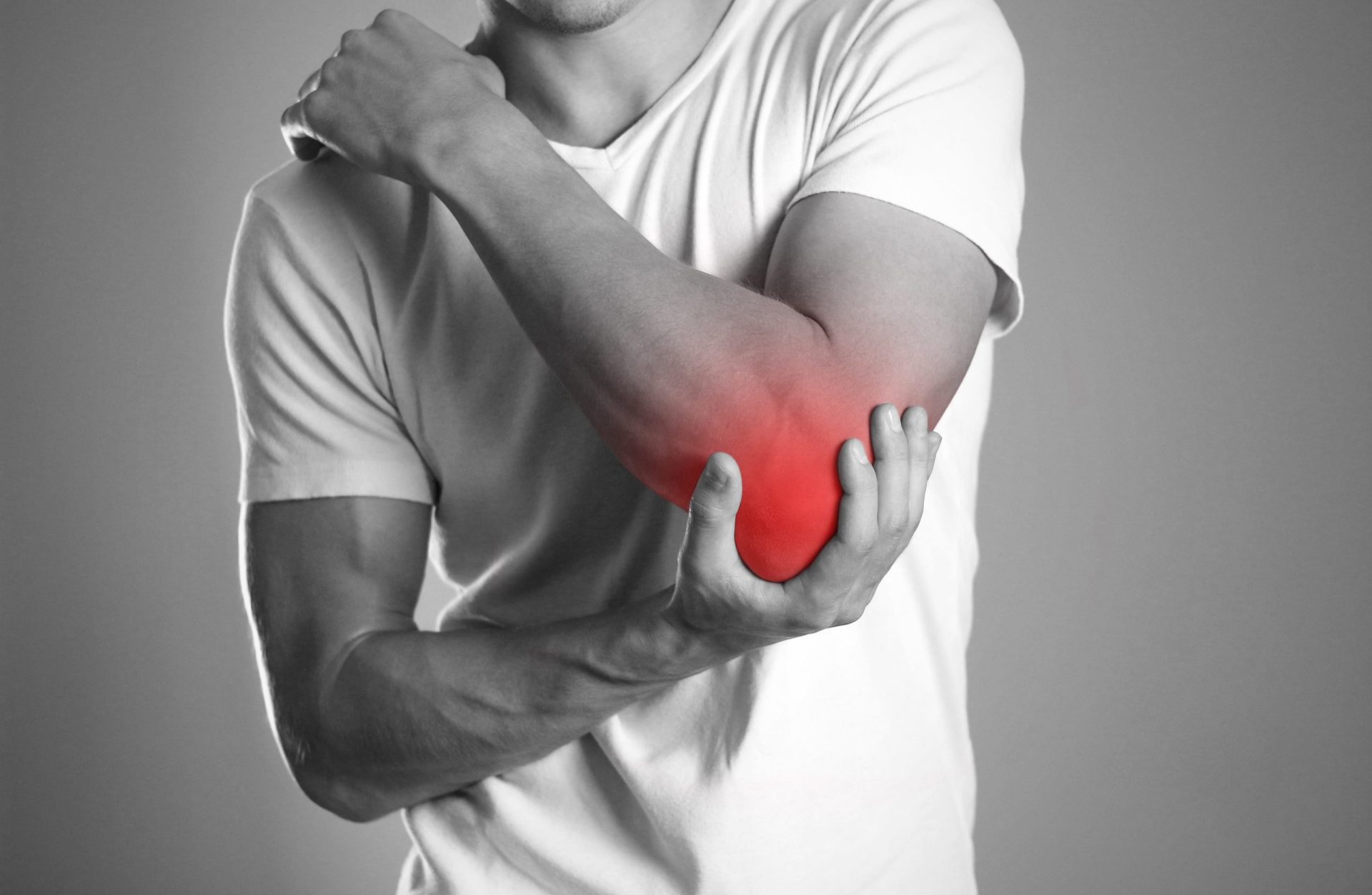 Tennis elbow is a common condition that can affect the outer part of the elbow and make everyday arm movements uncomfortable. Despite its name, it is not limited to tennis players. Repetitive gripping, lifting, wrist movements, computer work, manual tasks, and certain sports can all place repeated stress on the tissues around the elbow.
Symptoms may include pain around the outside of the elbow, tenderness, reduced grip strength, and difficulty with activities such as opening a jar, lifting an object, turning a handle, or using a racket. A structured rehabilitation program can focus on reducing functional limitations while gradually rebuilding strength and movement capacity.
For people considering Tennis Elbow Treatment Dubai, physiotherapy can provide a personalized approach based on the individual’s symptoms, activity requirements, and rehabilitation goals. Vitruvian Italian Physiotherapy Center identifies tennis elbow treatment as one of its signature services and describes an approach that combines assessment, exercise, manual therapy, education, and progressive rehabilitation.
Understanding Tennis Elbow
Tennis elbow, clinically known as lateral elbow tendinopathy, commonly produces pain and tenderness around the outside of the elbow. The discomfort can become more noticeable during gripping, lifting, wrist extension, or repetitive forearm movements.
Although racket sports can contribute to the condition, many people develop tennis elbow through occupational or everyday activities. Repeated computer work, manual tasks, hobbies, and other movements involving the wrist and forearm can place repeated loads on the affected tissues.
Understanding the activities that aggravate symptoms is an important part of treatment. Rather than focusing only on the elbow itself, a physiotherapist can consider how the wrist, forearm, shoulder, posture, work activities, and sporting technique may influence the person’s symptoms.
Common Symptoms Of Tennis Elbow
Tennis elbow can present differently depending on the individual and the duration of symptoms. Common symptoms include:
- Pain or tenderness around the outside of the elbow
- Discomfort during gripping
- Pain when lifting objects
- Reduced grip strength
- Discomfort during wrist movements
- Stiffness around the elbow or forearm
- Difficulty performing repetitive arm activities
Vitruvian Italian Physiotherapy Center notes that pain may occur during activities involving the forearm and wrist, including twisting movements, while some people may experience weakness during everyday tasks.
A detailed assessment can help determine which activities are most affected and how treatment should be structured.
Why Professional Assessment Is Important
Elbow pain can have different causes, so an accurate assessment is an important first step. A physiotherapist may review the patient’s medical history, symptoms, activity levels, movement patterns, grip strength, and functional limitations.
Clinical guidance for lateral elbow pain recommends assessing factors such as elbow and wrist range of motion, pain-free grip strength, and maximum grip strength.
At Vitruvian Italian Physiotherapy Center, the stated tennis elbow approach begins with a comprehensive assessment that considers medical history, lifestyle, and individual symptoms before creating a customized treatment plan.
This individualized assessment can help establish a rehabilitation program that reflects the person’s specific requirements.
How Physiotherapy Supports Tennis Elbow Recovery
Physiotherapy can combine active rehabilitation with appropriate hands-on techniques and education. The objective is to gradually improve function while addressing the factors contributing to difficulty with everyday movement.
A physiotherapy program may include:
- Activity modification
- Mobility exercises
- Forearm strengthening
- Wrist strengthening
- Stretching
- Manual therapy
- Grip-strength exercises
- Ergonomic education
- Progressive loading
- Functional rehabilitation
Clinical guidance recommends resisted therapeutic exercises for the wrist extensors in people with subacute or chronic lateral elbow tendinopathy. It also supports a phased approach for people who need to return to demanding occupational, recreational, or sporting activities.
The Role Of Progressive Strengthening
Strengthening is an important part of rehabilitation because reduced forearm and wrist strength can affect grip and everyday function.
Exercises can be introduced according to the individual’s current capacity and progressively adjusted. Early exercises may involve controlled movements with little resistance, while later stages can incorporate resistance bands, weights, grip exercises, and more demanding functional movements.
Vitruvian Italian Physiotherapy Center describes its tennis elbow program as including customized strengthening and stretching exercises for the forearm, wrist, and elbow, with progression as symptoms improve.
This gradual approach allows the affected tissues and surrounding muscles to adapt to increasing physical demands.
Improving Grip Strength And Forearm Function
Grip strength is closely connected to many everyday activities. Opening containers, carrying shopping bags, using tools, holding exercise equipment, and playing sports can all require coordinated strength from the hand, wrist, and forearm.
When tennis elbow affects grip, physiotherapy can incorporate exercises designed to gradually restore strength and tolerance.
Clinical guidelines specifically include pain-free grip strength and maximum grip strength among useful measures for assessing lateral elbow pain.
For someone undergoing Tennis Elbow Treatment Dubai, tracking changes in functional grip can provide a practical way to understand rehabilitation progress.
Managing Repetitive Activities
Repeated movements can continue to place stress on the elbow even while a person is receiving treatment. Identifying these activities can therefore be an important part of rehabilitation.
A physiotherapist may discuss how a patient performs work tasks, exercises, household activities, or sports movements. Adjustments can sometimes reduce unnecessary strain while maintaining appropriate activity.
Vitruvian Italian Physiotherapy Center includes ergonomic assessment within its tennis elbow treatment approach, with attention to workplace and daily activities that may contribute to elbow strain.
The objective is not necessarily to stop every activity but to identify practical ways of managing physical demands while rehabilitation progresses.
The Importance Of Exercise Therapy
Exercise therapy allows patients to take an active role in their recovery. Depending on the individual’s symptoms and rehabilitation stage, exercises may focus on mobility, stretching, strengthening, grip function, and controlled loading.
Research reviewed by Cochrane found that prescribed exercises and manual therapy may provide some short-term reduction in pain and disability for lateral elbow pain, although the certainty of evidence is low and longer-term effects are less clear.
This highlights why rehabilitation should be individualized and monitored rather than relying on a single exercise routine for every patient.
Manual Therapy For Elbow Movement
Manual therapy may be included alongside active exercise when appropriate. Hands-on techniques can address selected areas of muscle tension, joint mobility, or movement restriction.
Vitruvian Italian Physiotherapy Center describes manual therapy as part of its tennis elbow treatment approach and notes the use of soft-tissue and joint-mobilization techniques where appropriate.
However, manual treatment is generally one component of a broader rehabilitation program. Active strengthening and progressive loading remain important for developing functional capacity.
Ergonomics And Everyday Movement
Work habits can influence elbow symptoms, particularly when a person’s routine involves repetitive gripping, typing, mouse use, lifting, or other upper-limb movements.
An ergonomic assessment can help identify movements or positions that may be contributing to excessive strain. Changes may involve adjusting how tasks are performed, taking appropriate breaks, varying activities, or modifying equipment and positioning.
The NHS notes that activities such as computer work, manual tasks, and hobbies involving repeated gripping and wrist or forearm movements can contribute to tennis elbow.
This makes workplace and lifestyle education a useful component of an individualized rehabilitation program.
Building Stronger Elbow Movement Step By Step
Recovery is usually a progressive process. The appropriate level of exercise and activity can change as strength and tolerance improve.
A rehabilitation pathway may progress through several stages:
- Understanding symptoms and identifying aggravating activities
- Maintaining appropriate elbow and wrist movement
- Introducing gentle strengthening
- Progressing forearm and wrist resistance exercises
- Improving grip strength
- Increasing tolerance for functional activities
- Returning gradually to work, exercise, or sport
Clinical guidance supports phased reintroduction of stress and progressive strengthening for people with demanding work, hobbies, or sporting requirements.
Returning To Sports And Exercise
Athletes may want to return to tennis, gym training, golf, racket sports, or other activities that require repeated arm movements.
Returning too quickly to high-volume activities can make it difficult to judge whether the elbow has regained sufficient strength and tolerance. A progressive return can instead increase activity demands gradually.
Vitruvian Italian Physiotherapy Center provides sports rehabilitation services that include clinical strengthening, exercise therapy, biomechanical analysis, screening, injury-prevention programs, and return-to-play preparation.
These elements can be incorporated into a rehabilitation plan when they match the individual’s activity and goals.
Understanding Tennis Elbow Treatment Cost In Dubai
The Tennis Elbow Treatment cost in Dubai can vary according to the individual’s condition and rehabilitation requirements. Factors may include the number of sessions, treatment duration, assessment needs, exercise requirements, and additional physiotherapy techniques used during rehabilitation.
Someone with mild symptoms may require a different treatment plan from an individual with persistent pain and significant weakness. An athlete returning to competitive sport may also require a more extensive progression involving functional and sport-specific rehabilitation.
When discussing the Tennis Elbow Treatment cost in Dubai, patients can ask about the expected frequency of sessions, treatment duration, rehabilitation stages, and how progress will be evaluated.
Because treatment requirements vary, an individualized assessment provides a more meaningful basis for discussing expected care and associated costs.
Home Exercises And Self-Management
Home exercises can complement supervised physiotherapy. A physiotherapist may prescribe movements that can be performed between sessions to maintain mobility and progressively develop strength.
The exercises should be appropriate for the person’s current rehabilitation stage. As strength and tolerance improve, the program can be adjusted.
Vitruvian Italian Physiotherapy Center describes education and self-management as part of its tennis elbow treatment approach and provides customized exercise programs intended to continue outside supervised sessions.
Consistency can help patients participate actively in rehabilitation and monitor how their elbow responds to increasing physical demands.
How Long Can Tennis Elbow Take To Improve?
Tennis elbow does not follow exactly the same recovery timeline for everyone. Some cases improve with activity modification and rehabilitation, while persistent symptoms may require longer-term management.
The NHS notes that tennis elbow often improves with time and appropriate self-care, although symptoms can sometimes last longer.
For persistent symptoms, professional assessment can help determine whether the diagnosis is correct and whether the current rehabilitation strategy needs to be adjusted.
Monitoring Progress During Rehabilitation
Progress can be assessed through more than pain levels alone. Improvements in grip strength, range of motion, activity tolerance, and the ability to perform daily tasks can all provide useful information.
A physiotherapist may compare functional abilities at different stages of treatment and adjust the exercise program accordingly.
For individuals following Tennis Elbow Treatment Dubai, objective measures can help create a clearer picture of whether the elbow is becoming stronger and more capable of handling everyday demands.
The Vitruvian Italian Physiotherapy Center Approach
Vitruvian Italian Physiotherapy Center identifies tennis elbow as one of its signature treatments and describes a comprehensive approach involving assessment, pain management, strengthening, stretching, ergonomic assessment, manual therapy, education, and progressive rehabilitation.
The center also lists clinical strengthening, exercise therapy, biomechanical analysis, screening, injury-prevention programs, and return-to-play services within its sports rehabilitation offering.
Its tennis elbow approach is therefore structured around progressive rehabilitation rather than focusing on a single treatment technique. The specific combination of interventions can be adapted according to the patient’s symptoms, activities, and goals.
When To Seek Professional Assessment
Persistent elbow pain can interfere with work, exercise, hobbies, and ordinary activities. Professional assessment can help determine whether symptoms are consistent with tennis elbow or whether another condition needs to be considered.
The NHS advises seeking medical advice when elbow pain continues despite a period of rest and self-care.
A physiotherapist can assess movement and function and determine whether physiotherapy is appropriate or whether further medical assessment is needed.
Supporting Stronger Movement Beyond Treatment
Rehabilitation should ideally help patients regain confidence in using their arm during meaningful activities. Once strength and tolerance improve, maintaining appropriate exercises and managing repetitive physical demands can become part of a long-term movement routine.
For active people, this may include continued forearm strengthening and appropriate sports conditioning. For office workers or manual workers, it may involve maintaining good movement habits and varying repetitive tasks when possible.
The aim is to develop an elbow that can gradually tolerate the activities required by the person’s lifestyle.
Final Thoughts On Tennis Elbow Treatment In Dubai
Tennis elbow can affect much more than the elbow itself. Pain and weakness can interfere with gripping, lifting, working, exercising, and participating in sports. A structured physiotherapy program can address these limitations through assessment, exercise, progressive strengthening, movement education, and appropriate manual techniques.
For people exploring Tennis Elbow Treatment Dubai, an individualized rehabilitation plan can provide a structured path toward improved elbow and forearm function. Evidence-based guidance supports physiotherapy and therapeutic exercise for lateral elbow tendinopathy, while the exact treatment approach should be adapted to each person’s presentation.
Vitruvian Italian Physiotherapy Center provides tennis elbow treatment as part of its physiotherapy and sports rehabilitation services, with its stated approach combining assessment, customized exercise, manual therapy, ergonomic education, and progressive rehabilitation.
Understanding the treatment process can also help patients discuss the Tennis Elbow Treatment cost in Dubai more clearly, including session requirements, treatment duration, and rehabilitation needs.
Ultimately, Tennis Elbow Treatment Dubai can be a gradual process focused on restoring strength, improving movement, and increasing the elbow’s tolerance for everyday activities. With appropriate assessment and progressive rehabilitation, patients can work toward stronger and more confident elbow movement.