
Why Luxury Vehicles Require Specialised Air Suspension Maintenance
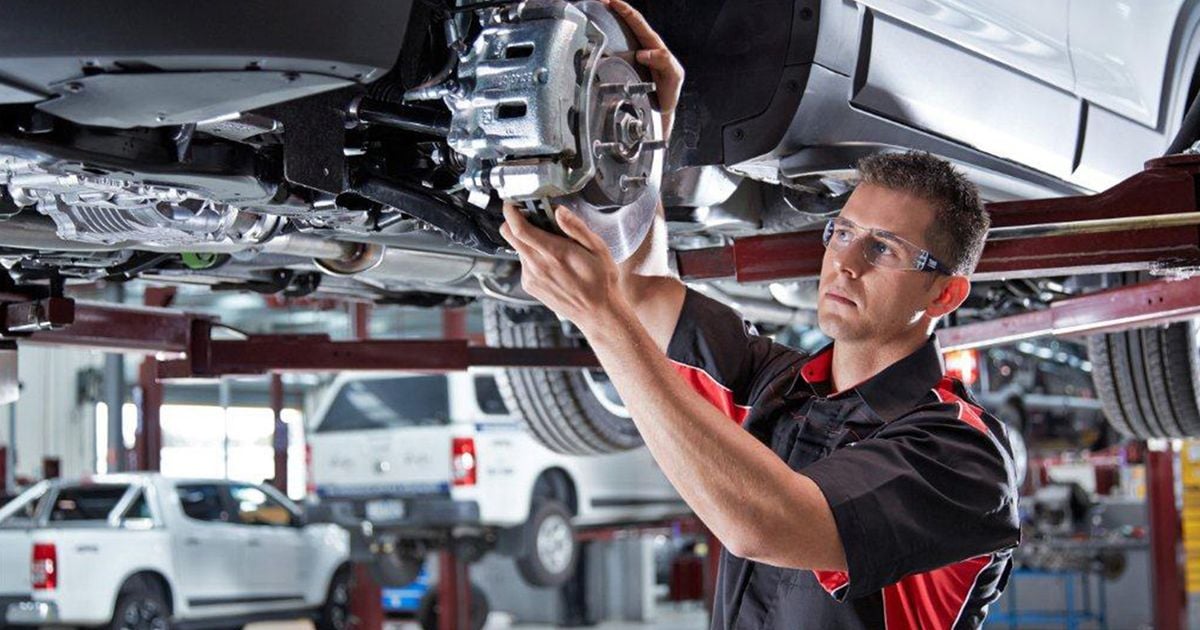 Anyone who has driven a premium sedan or SUV knows the feeling: the car glides over broken pavement as if the road were freshly laid. Much of that serenity comes from air suspension, a system that replaces conventional steel springs with flexible air-filled bags and electronic controls. It delivers comfort, adjustable ride height, and sharp handling, but it is also far more complex than a traditional setup. That complexity is exactly why luxury vehicles need specialised maintenance rather than a generic once-over.
1. How Air Suspension Works in Luxury Vehicles
A conventional suspension relies on coil or leaf springs that provide a fixed ride quality. Air suspension uses rubber and polyurethane air springs, often called air bags or bellows, filled with compressed air. An onboard compressor pumps air into the springs, while valve blocks, height sensors, and a control module work together to adjust pressure in real time.
This allows the car to raise itself for rough terrain or loading, lower itself at highway speeds for better stability and efficiency, and soften or firm up the ride depending on the driving mode. Brands such as Mercedes-Benz, BMW, Audi, Range Rover, Porsche, and Bentley use versions of this technology because it offers a level of refinement that steel springs cannot match.
2. Why These Systems Demand Specialist Attention
Air suspension is not a single part but a network of connected components, each depending on the others. A fault in one area often shows up as a symptom somewhere else. A leaking air spring, for instance, makes the compressor run constantly to compensate, which shortens its life and may trigger fault codes.
Luxury vehicles also integrate suspension with other electronic systems, including adaptive dampers, stability control, and driver-assistance features. Servicing them correctly requires manufacturer-specific diagnostic software, calibration procedures, and knowledge of each model’s quirks. A general workshop without this equipment may misdiagnose the issue, replace the wrong part, or leave the system uncalibrated. Specialists understand how these systems behave across different models and can trace problems to their true cause rather than treating symptoms.
3. Common Problems Owners Should Watch For
Even well-built systems wear with age, heat, moisture, and road exposure. Knowing the warning signs helps you act before a small fault becomes an expensive one:
- Sagging or uneven ride height: One corner or an entire end of the car sits lower than normal, often overnight.
- Compressor running excessively: A loud, constantly cycling compressor usually points to a leak.
- Warning lights or messages: Dashboard alerts such as “suspension fault” should never be ignored.
- Harsh or bouncy ride: Worn air springs or failing dampers reduce comfort and control.
- Hissing sounds: Escaping air from a cracked bag, damaged line, or loose fitting.
- Slow or failed height adjustment: Often a sign of sensor, valve, or compressor trouble.
Air springs commonly develop small cracks as the rubber ages, especially in hot climates or where road salt is used. Moisture inside the system can also corrode valves and damage the compressor from within.
4. The Role of Professional Repair and Servicing
When problems appear, timely expert help makes a major difference to both cost and safety. Professional Luxury Car Air Suspension Repair begins with a full diagnostic scan, a pressure and leak test, and a visual inspection of the air springs, lines, valve block, compressor, and sensors. Technicians then repair or replace only what is faulty, recalibrate the system to factory settings, and confirm that ride height and performance are back to specification.
This approach protects the rest of the system. Replacing a failing air spring early, for example, prevents the compressor from overworking and burning out, which can save a considerable sum. A specialist will also use correct parts and sealing methods, because inferior components or poorly seated fittings can lead to repeat leaks. For a vehicle that cost a significant amount to buy, using the right expertise is a sensible way to protect its value and drivability.
5. Preventive Maintenance That Extends System Life
Air suspension rewards owners who look after it. Regular inspections, ideally as part of annual servicing, can catch small leaks, worn bushings, and aging components before they fail. Technicians can check the air springs for cracking, test the compressor’s output, and ensure the system’s dryer is still effective at removing moisture.
A few everyday habits also help. Avoid overloading the vehicle beyond its rated capacity, since excessive weight strains the springs and compressor. Keep the underside clean, especially after driving on salted or muddy roads. Do not ignore small changes in ride quality or height, and avoid jacking the car without first putting it into the correct lift or transport mode, as this can damage the air springs. If the vehicle will sit unused for long periods, ask a specialist about the best way to store it, since air systems can slowly lose pressure.
6. Safety and Performance Considerations
Suspension affects far more than comfort. It influences braking distance, cornering stability, tyre wear, and headlight aim. A car riding at the wrong height or with unevenly inflated springs can handle unpredictably, especially in emergency manoeuvres. Uneven ride height also causes premature tyre and alignment wear, adding hidden costs over time.
Specialised maintenance ensures all these factors stay within the engineer’s intended tolerances. It also keeps the car’s electronic safety systems working with accurate data from the suspension sensors, which is increasingly important in modern vehicles that rely on that information for stability and driver-assistance functions.
7. Final Thoughts
Air suspension is one of the features that makes luxury vehicles feel special, but it is also one of the most demanding to maintain. Its blend of pneumatics, electronics, and precision calibration means that general repair methods are rarely enough. By choosing technicians with the right tools, training, and experience, owners can keep their cars comfortable, safe, and valuable for longer.
Treat early warning signs seriously, schedule regular inspections, and rely on specialists when work is needed. With the right care, your air suspension will continue delivering the smooth, composed ride that drew you to a luxury vehicle in the first place.