
Shoulder Pain Dubai: Advanced Care for Shoulder Mobility
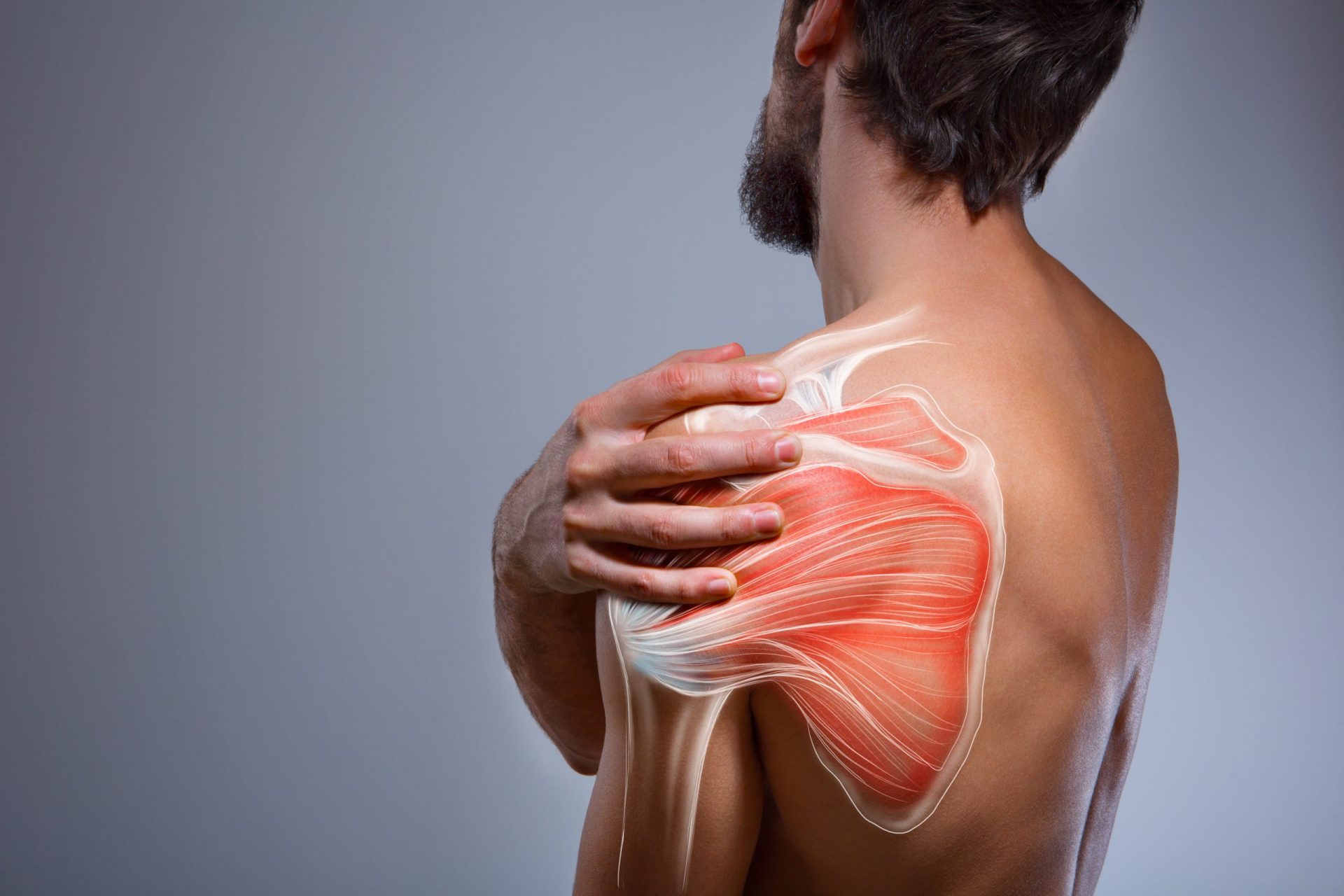
Shoulder pain can affect many aspects of everyday life, from getting dressed and reaching overhead to lifting objects, exercising, and performing professional tasks. The shoulder is one of the most flexible joints in the human body, allowing movement in multiple directions. However, this extensive mobility also makes it vulnerable to muscle strain, joint stiffness, tendon irritation, and other physical conditions.
Maintaining healthy shoulder function is important for comfortable movement, physical strength, and overall quality of life. When discomfort develops, identifying its underlying cause and choosing an appropriate treatment approach can help individuals regain mobility and improve everyday function.
For individuals experiencing shoulder discomfort, professional physiotherapy can provide structured support through personalized exercises, movement training, and rehabilitation techniques. At Vitruvian Italian Physiotherapy Center, the focus is on understanding individual movement limitations and developing suitable treatment approaches that support recovery and long-term shoulder health.
Understanding Shoulder pain dubai treatment options can help individuals make informed decisions about improving joint mobility and maintaining an active lifestyle.
Understanding Shoulder Pain and Joint Mobility
The shoulder is a complex structure consisting of bones, muscles, tendons, ligaments, and joints that work together to support a wide range of movements. Its main joint, the glenohumeral joint, connects the upper arm bone to the shoulder blade.
Other structures, including the acromioclavicular joint and surrounding muscles, contribute to shoulder stability and coordination.
The rotator cuff is particularly important because it consists of four muscles and their tendons that help stabilize the shoulder and control arm movements.
When these structures become irritated, strained, or restricted, individuals may experience discomfort and reduced mobility.
People searching for Shoulder pain dubai solutions should understand that shoulder symptoms can have different causes. An appropriate assessment helps identify the structures involved and determine which rehabilitation methods may be suitable.
Common Causes of Shoulder Pain
Shoulder discomfort can develop gradually or appear following a sudden movement or injury. Understanding its possible causes is an important part of choosing an appropriate treatment plan.
- Rotator Cuff Problems
The rotator cuff supports shoulder stability and helps control arm movement. Tendon irritation, strains, and tears can cause pain when lifting the arm, reaching overhead, or performing repetitive activities.
- Frozen Shoulder
Frozen shoulder, also known as adhesive capsulitis, involves stiffness and restricted movement around the shoulder joint. Individuals may experience difficulty reaching behind their backs, lifting their arms, or performing everyday activities.
- Shoulder Impingement
Shoulder impingement refers to irritation of structures within the shoulder during certain movements. It may cause discomfort when raising the arm or reaching overhead.
- Muscle Strain
Repetitive movements, heavy lifting, sudden pulling, and excessive exercise can strain the muscles surrounding the shoulder. This may result in tenderness, stiffness, and reduced strength.
- Tendonitis
Tendonitis involves irritation or inflammation of a tendon. In the shoulder, it commonly affects the rotator cuff or biceps tendon and may cause discomfort during specific movements.
- Poor Posture
Prolonged sitting, rounded shoulders, and forward head positioning can influence shoulder movement and place additional demands on surrounding muscles.
- Sports-Related Injuries
Activities involving throwing, swimming, weightlifting, and overhead movements can place repeated stress on the shoulder. Without suitable conditioning and recovery, these activities may contribute to discomfort.
Understanding these conditions helps individuals exploring Shoulder pain treatment in dubai identify why professional assessment is important before beginning rehabilitation.
Recognizing the Symptoms of Shoulder Pain
Shoulder pain can present differently depending on its cause and severity. Some individuals experience mild discomfort, while others have significant movement restrictions that interfere with daily routines.
Common symptoms include:
- Pain when lifting or rotating the arm.
- Stiffness around the shoulder joint.
- Difficulty reaching overhead.
- Discomfort while sleeping on the affected side.
- Weakness when carrying or lifting objects.
- Reduced range of motion.
- Tenderness around the shoulder muscles.
- Pain during repetitive activities.
- Difficulty reaching behind the back.
Some symptoms may develop gradually, while others appear after a specific activity or injury.
Persistent discomfort, significant weakness, sudden loss of movement, or pain following an injury should be assessed by an appropriate healthcare professional.
How Shoulder Pain Affects Everyday Activities
The shoulder is involved in numerous daily movements. Even a small reduction in mobility can make ordinary tasks more difficult.
For example, reaching for objects on high shelves, washing your hair, changing clothes, driving, and carrying shopping bags may become uncomfortable.
People who work at desks may also experience shoulder tension due to prolonged positioning and limited movement. Athletes and physically active individuals may notice reduced performance when throwing, lifting weights, swimming, or participating in other activities.
These limitations can affect confidence and make individuals less willing to participate in physical activities.
A personalized approach to Shoulder pain treatment in dubai can help address movement restrictions and gradually improve the ability to perform everyday tasks.
The Importance of Professional Shoulder Assessment
Effective shoulder rehabilitation begins with understanding the individual’s symptoms, physical condition, and movement limitations.
A professional physiotherapy assessment can help identify possible contributing factors and establish suitable rehabilitation goals.
At Vitruvian Italian Physiotherapy Center, an individualized approach may involve several assessment components.
Medical and Activity History
The physiotherapist reviews the individual’s symptoms, previous injuries, daily activities, and physical demands.
Range of Motion Assessment
Shoulder movements are evaluated to identify stiffness, discomfort, and restrictions during different directions of movement.
Muscle Strength Evaluation
The strength of the rotator cuff, shoulder blade muscles, and surrounding structures may be assessed.
Posture Assessment
The position of the shoulders, upper back, and neck can provide useful information about movement patterns and muscular coordination.
Functional Movement Assessment
The physiotherapist may observe activities such as reaching, lifting, and rotating the arm to understand how shoulder discomfort affects daily function.
The assessment findings help guide an appropriate treatment plan rather than relying on general exercises that may not address the individual’s specific needs.
Advanced Physiotherapy Treatments for Shoulder Pain
Physiotherapy plays an important role in managing many shoulder conditions. Treatment may combine targeted exercises, manual techniques, mobility training, and movement education.
The appropriate methods depend on the diagnosis, symptoms, and individual recovery goals.
- Therapeutic Exercise Programs
Targeted exercises help improve shoulder strength, movement control, and muscular endurance. These programs may focus on the rotator cuff, shoulder blade muscles, and surrounding structures.
- Manual Therapy
Depending on the individual’s condition, hands-on physiotherapy techniques may be used to address joint stiffness, muscular tension, and movement restrictions.
Manual therapy is often combined with active exercises to support functional improvement.
- Shoulder Mobility Exercises
Mobility exercises aim to improve the shoulder’s ability to move comfortably through different directions. They may be particularly helpful for individuals experiencing stiffness or reduced flexibility.
- Rotator Cuff Strengthening
The rotator cuff plays a major role in shoulder stability. Specific strengthening exercises can improve muscular coordination and support controlled arm movement.
- Scapular Stabilization
The shoulder blade provides a stable foundation for shoulder movement. Exercises targeting the muscles around the scapula can help improve shoulder coordination and posture.
- Postural Correction
Posture-focused exercises and education can help individuals develop better positioning during desk work, exercise, and everyday activities.
- Functional Rehabilitation
Functional rehabilitation focuses on movements that individuals perform regularly, such as lifting, reaching, carrying, and participating in sports.
At Vitruvian Italian Physiotherapy Center, treatment planning can incorporate appropriate rehabilitation techniques to improve shoulder function and support a gradual return to normal activities.
The Role of Shoulder Mobility Exercises
Maintaining shoulder mobility is essential for comfortable upper-body movement. Gentle exercises can help improve flexibility, reduce stiffness, and support joint function.
Some exercises that may be included in a physiotherapy program are:
Pendulum Exercise
Lean forward while supporting yourself with your unaffected arm. Allow the affected arm to hang naturally and make small, controlled movements.
Shoulder Blade Squeezes
Sit or stand comfortably and gently bring your shoulder blades toward each other. Hold briefly before relaxing.
Wall Walking
Stand facing a wall and use your fingers to gradually walk the affected arm upward, staying within a comfortable range.
Shoulder External Rotation
Keep your elbow close to your body and gently rotate your forearm outward. Resistance may be introduced when appropriate.
Gentle Cross-Body Stretch
Bring one arm across your chest and use the opposite arm to support a gentle stretch around the shoulder.
These exercises should be selected according to the individual’s condition. Movements that cause significant pain should not be forced, and a physiotherapist can help determine the appropriate technique and intensity.
Strengthening the Rotator Cuff for Better Stability
The rotator cuff is essential for controlling shoulder movement and maintaining joint stability. It helps keep the upper arm bone properly positioned within the shoulder joint during different activities.
When these muscles are weak or poorly coordinated, certain movements may become difficult.
A strengthening program may include:
- Resistance band external rotations.
- Controlled internal rotations.
- Light shoulder raises.
- Isometric shoulder exercises.
- Scapular strengthening movements.
- Gradual resistance training.
Exercise intensity should increase progressively according to individual ability and recovery.
Improving rotator cuff strength can support better movement control during lifting, reaching, sports, and other everyday activities.
Shoulder Pain Treatment in Dubai for Different Lifestyles
Different lifestyles create different demands on the shoulder joint. Treatment should reflect these requirements to support meaningful improvements.
For Office Workers
Individuals who spend long hours at desks may benefit from posture education, movement breaks, shoulder mobility exercises, and strengthening programs.
For Athletes
Sports participants may require exercises that improve shoulder stability, strength, flexibility, and movement coordination. Rehabilitation should also consider the specific demands of their sport.
For Older Adults
Age-related changes may influence shoulder flexibility and strength. Suitable mobility and strengthening exercises can help maintain independence and everyday function.
For Physically Active Individuals
People who regularly lift weights or perform repetitive upper-body activities may benefit from structured conditioning and appropriate exercise progression.
For Individuals With Recurrent Shoulder Discomfort
A detailed assessment can help identify recurring movement limitations and develop a rehabilitation plan that addresses contributing factors.
Choosing appropriate Shoulder pain treatment in dubai means considering personal activity levels, physical requirements, and recovery expectations.
Understanding the Cost of Shoulder Pain Treatment in Dubai
The cost of shoulder pain treatment can vary depending on the individual’s condition, assessment requirements, and recommended rehabilitation program.
Several factors may influence the overall treatment expense.
- Initial Consultation and Assessment
The first appointment may involve reviewing medical history, assessing shoulder mobility, evaluating strength, and identifying functional limitations.
- Number of Physiotherapy Sessions
Some individuals may require a limited number of sessions, while others may benefit from a longer rehabilitation program depending on their condition.
- Treatment Techniques
The overall cost may depend on the rehabilitation methods used, including therapeutic exercises, manual therapy, mobility training, and other physiotherapy techniques.
- Complexity of the Condition
A straightforward muscular strain may require a different treatment approach from a condition involving significant stiffness, tendon damage, or a previous shoulder injury.
- Individual Recovery Goals
People aiming to return to professional sports or demanding physical activities may require additional functional training compared with individuals focusing on comfortable everyday movement.
When exploring Shoulder pain dubai services, it is helpful to understand the treatment process and the factors influencing the overall cost.
At Vitruvian Italian Physiotherapy Center, individuals can discuss their symptoms and rehabilitation requirements to understand the recommended treatment approach and associated fees.
How to Choose the Best Shoulder Pain Treatment in Dubai
Selecting an appropriate treatment approach is important for improving shoulder mobility and restoring physical function.
When exploring the Best Shoulder pain treatment in dubai, individuals should consider several important factors.
Personalized Assessment
Treatment should begin with an understanding of the individual’s symptoms, physical condition, and movement limitations.
Qualified Physiotherapy Professionals
A suitable rehabilitation approach should be guided by trained professionals who understand shoulder anatomy, movement mechanics, and exercise-based recovery.
Individualized Exercise Programs
Exercises should be selected according to the person’s condition and adjusted as strength and mobility improve.
Progress Monitoring
Regular assessment helps determine whether treatment is improving movement, reducing functional limitations, and supporting recovery goals.
Clear Treatment Planning
Individuals should understand their rehabilitation objectives, recommended exercises, and expected treatment progression.
Functional Rehabilitation
Treatment should focus on helping individuals return to meaningful activities, including work, exercise, sports, and everyday tasks.
The Best Shoulder pain treatment in dubai approach is one that considers the complete individual rather than focusing only on temporary discomfort.
The Connection Between Posture and Shoulder Health
Posture can influence how the shoulder joint moves and how surrounding muscles function.
Prolonged sitting with rounded shoulders or a forward head position may change the way the shoulder blade moves during arm elevation. This can contribute to muscular tension and movement difficulties in some individuals.
Improving posture involves more than simply pulling the shoulders backward. It requires developing awareness of body positioning and strengthening the muscles that support the upper back and shoulder blades.
Useful habits include:
- Keeping the computer screen at a comfortable height.
- Maintaining relaxed shoulder positioning while sitting.
- Avoiding prolonged static positions.
- Taking regular movement breaks.
- Incorporating upper-back strengthening exercises.
- Maintaining appropriate workstation ergonomics.
Postural education can complement physiotherapy and help individuals develop more comfortable movement habits.
Preventing Recurring Shoulder Discomfort
Maintaining shoulder health requires consistent attention to strength, flexibility, posture, and physical activity.
Several habits can support long-term shoulder function.
Warm Up Before Exercise
Prepare the shoulder muscles and surrounding joints with suitable warm-up movements before demanding physical activity.
Increase Exercise Intensity Gradually
Avoid sudden increases in training volume or resistance, particularly when performing repetitive overhead exercises.
Maintain Balanced Muscle Strength
Include appropriate exercises for the rotator cuff, shoulder blade muscles, and upper back.
Practice Correct Lifting Techniques
Use controlled movements when lifting or carrying objects, and avoid unnecessary strain on the shoulder.
Allow Sufficient Recovery
Muscles and tendons need appropriate recovery time between demanding activities.
Pay Attention to Early Symptoms
Persistent stiffness, discomfort, or reduced movement should be assessed rather than ignored.
These habits can help individuals maintain shoulder strength and mobility while supporting their overall physical well-being.
What to Expect During Shoulder Rehabilitation
Shoulder rehabilitation generally progresses through different stages depending on the individual’s condition and response to treatment.
Initial Stage: Managing Discomfort and Improving Movement
The first stage may focus on understanding the condition, managing symptoms, and introducing suitable gentle movements.
Middle Stage: Restoring Strength and Flexibility
As movement improves, exercises may gradually become more challenging. Strengthening the rotator cuff and shoulder blade muscles becomes an important part of rehabilitation.
Advanced Stage: Improving Functional Movement
The program may include more demanding activities that reflect everyday physical requirements, work-related movements, or sports participation.
Maintenance Stage: Supporting Long-Term Shoulder Health
Once functional improvements have been achieved, individuals may continue appropriate exercises to maintain strength, flexibility, and movement control.
The pace of rehabilitation varies from person to person. Progress should be based on individual assessment rather than a fixed timeline.
Why Personalized Physiotherapy Matters for Shoulder Mobility
Every shoulder condition is different. Individuals may experience similar symptoms but have different underlying causes, movement limitations, and recovery requirements.
A personalized treatment plan considers these differences and focuses on the specific areas that need attention.
At Vitruvian Italian Physiotherapy Center, patient-focused physiotherapy emphasizes understanding individual needs and selecting suitable rehabilitation methods.
This approach may include mobility exercises, strengthening programs, movement retraining, posture education, and functional rehabilitation.
For individuals exploring Shoulder pain treatment in dubai, personalized care can provide a structured way to improve movement and work toward their physical goals.
Conclusion
Shoulder pain can affect mobility, strength, posture, and the ability to perform everyday activities comfortably. Understanding its common causes and recognizing its symptoms are important steps toward finding appropriate care.
Physiotherapy provides a structured approach to improving shoulder function through targeted exercises, mobility training, strengthening, and movement education. A personalized treatment plan can help individuals address their specific limitations and gradually return to their preferred activities.
When searching for Shoulder pain dubai services, it is important to consider professional assessment, individualized treatment, and long-term rehabilitation goals.
Vitruvian Italian Physiotherapy Center focuses on personalized physiotherapy approaches that support better movement, improved shoulder stability, and functional recovery. With appropriate guidance and consistent rehabilitation, individuals can work toward healthier shoulder mobility and a more active lifestyle.